Geraldton Property Market Continues Strong Growth Trajectory
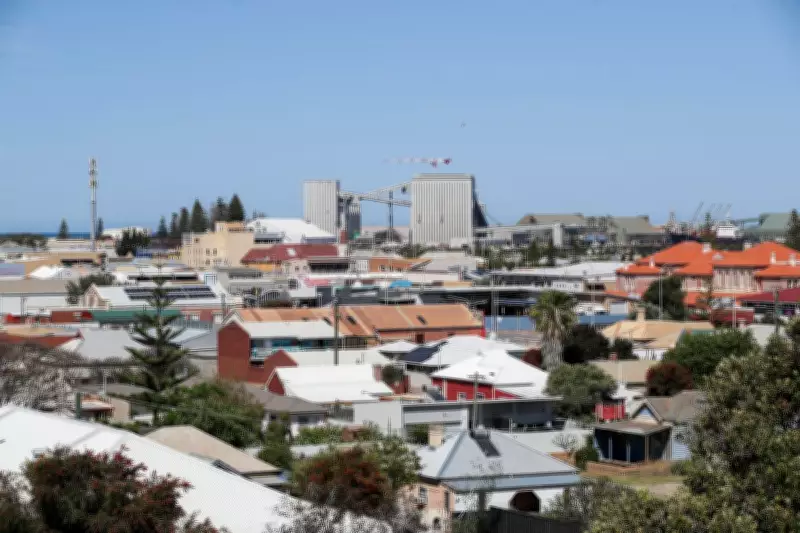
Geraldton's housing market has demonstrated robust performance, with home prices increasing by 5.8 percent in the three months leading up to January 2026. This significant quarterly rise is part of a broader trend where regional Western Australia is outpacing other states in property value growth. According to the latest report from property analytics firm Cotality, regional WA recorded the strongest price growth nationwide, with dwelling values surging 6.1 percent in the quarter. This marks a sharp acceleration from the 4.9 percent growth observed in the previous quarter, highlighting the region's escalating momentum.
Regional WA Leads National Property Growth
Within regional WA, several key areas are driving this upward trend. Albany experienced a notable price increase of 7.7 percent, followed closely by Kalgoorlie-Boulder at 7.6 percent and Busselton at 7 percent. Although Geraldton's quarterly rise of 5.8 percent and annual increase of 16.7 percent place it towards the lower end of the regional WA spectrum, the city's long-term growth is exceptional. Over the past five years, Geraldton has seen a staggering 107.2 percent surge in property values, the highest among all regional markets included in the research.
In January 2026, Geraldton's median home value stood at $572,540, making it the second lowest in regional WA, only ahead of Kalgoorlie-Boulder. Despite this relatively lower median value, the market dynamics indicate strong demand and limited supply, contributing to the rapid price appreciation.

Rental Market Trends and Sales Activity
The rental market in Geraldton is also experiencing upward pressure. The median weekly rent reached $575, reflecting a 1.1 percent increase quarterly, a 7.3 percent rise annually, and a substantial 64.3 percent growth over five years. Concurrently, the rental vacancy rate has tightened significantly, dropping to 1.4 percent in January 2026 from 3 percent a year ago. This low vacancy rate underscores the high demand for rental properties in the area.
Total rental listings for the year to January 2026 amounted to 1,345, which is 24.7 percent lower than the previous year and 8.2 percent below the five-year average. This reduction in available rental properties further intensifies competition among tenants, potentially driving rents higher.
On the sales front, properties in Geraldton are being purchased more quickly, with the average time on market decreasing to 19 days from 23 days the year prior. This is slightly faster than the regional WA median of 20 days. In the year to January, 2,012 properties were listed for sale, representing a dramatic decline of 36.8 percent from the previous year and 55.9 percent below the five-year average. Total dwelling sales for the year to November 2025 were 1,410, down 11.8 percent from the prior year but still 25.4 percent above the five-year average for the region.
Expert Insights on Market Dynamics
Gerard Burg, head of research at Cotality, commented on the narrowing gap between city and regional markets. "With capital city prices still near record highs and stock levels tight, many households are once again looking to regional Australia for greater value and liveability," he said. "We're seeing momentum build across a wide range of regional markets, from inland hubs to coastal centres and mining adjacent regions." This shift in buyer preference is contributing to the sustained growth in areas like Geraldton, where affordability and lifestyle appeal are key drivers.
The combination of strong price growth, tight rental conditions, and rapid sales turnover paints a picture of a highly competitive and dynamic property market in Geraldton. As regional WA continues to lead national growth, stakeholders including homeowners, investors, and policymakers will need to monitor these trends closely to understand the implications for housing affordability and economic development in the area.