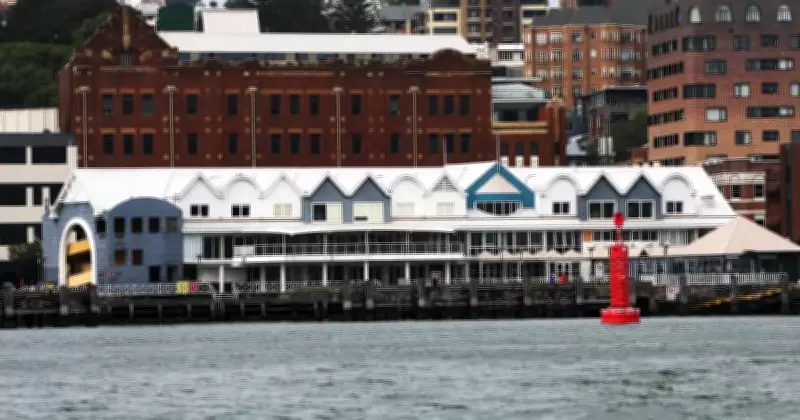
The Queens Wharf building in Newcastle became a spectacle on Thursday afternoon as water poured from its upper floors onto the street below, prompting a response from fire crews.
A Fire and Rescue NSW spokesperson confirmed that an automatic fire alarm was activated at 2.39pm in the dilapidated western section of the building. The spokesperson added that triple-0 calls from passersby reported water streaming from the second floor into the street.
A Newcastle crew arrived on the scene and entered the building to stop the source of the water. Videos captured by members of the public showed water cascading from the second and first floors, forming a spreading pool at the base of the notorious structure.

Firefighters confirmed the alarm activation but were yet to determine whether the flooding originated from fire suppressant sprinklers or another source. Crews remained at the scene at 3.30pm.
Background on the Queens Wharf building
The dilapidated half of the Queens Wharf building is slated for demolition and redevelopment as part of a broader renewal of Newcastle's aging waterfront strip. Demolition was initially expected in February 2026 but has not yet commenced. The process is anticipated to take several months once it begins.
The crumbling structure has long been a target for vandals and anti-social behaviour while sitting empty, awaiting its final days.
History of Queens Wharf
Queen Elizabeth II officially opened the harbourside building on Saturday, May 7, 1988, alongside her husband, Prince Philip, after they sailed overnight from Sydney on the Royal Yacht Britannia. This event marked the end of the waterfront precinct's industrial past, when it was known as Kings Wharf, and the beginning of an era focused on tourism and recreation.
For the next three decades, the Queens Wharf building served as a meeting place for Novocastrians and visitors. Its spectacular harbour views across to Stockton and Nobbys Lighthouse made it a prime tourist destination. The building also became a popular dining precinct, hosting weddings and corporate functions, and offered a prime vantage point for New Year's Eve fireworks over the harbour.
The building's most infamous section, the phallic-shaped observation tower, was demolished in 2018 due to a lack of wheelchair access and a $1.6 million maintenance bill. Unauthorised access to the building is now prohibited.