Regional property prices have been outperforming capital city real estate, but questions are mounting over how long this trend can continue. Over the first four months of the year, the combined regionals index rose 4.2 per cent, compared to a 1.8 per cent lift across the combined capitals, according to property data company Cotality. However, momentum is now easing, with home values across regional Australia increasing by just 0.9 per cent in April — the smallest rise in nine months. Homes in regional Australia now have a median value of $765,769, compared to $1.031 million in capital cities.
Regional to Follow City Trends
Cotality's research director, Tim Lawless, said the forces that have pushed down price growth in capital cities are expected to impact regional areas. Home value growth peaked in both capitals and regional Australia in November 2024. In November, regional property prices were growing at 3.6 per cent, but that has now wound down to 3.1 per cent. "So it's a mild slowdown, but I expect it will probably continue to lose some speed over the coming months," Mr Lawless said. He is forecasting a rate rise of 0.25 per cent when the Reserve Bank of Australia meets next Tuesday. "If rates go up one or two more times this year, then you'd have to think that they will have a downside impact on regional markets as well as capitals."
Where Apartment Prices Are Outperforming Houses
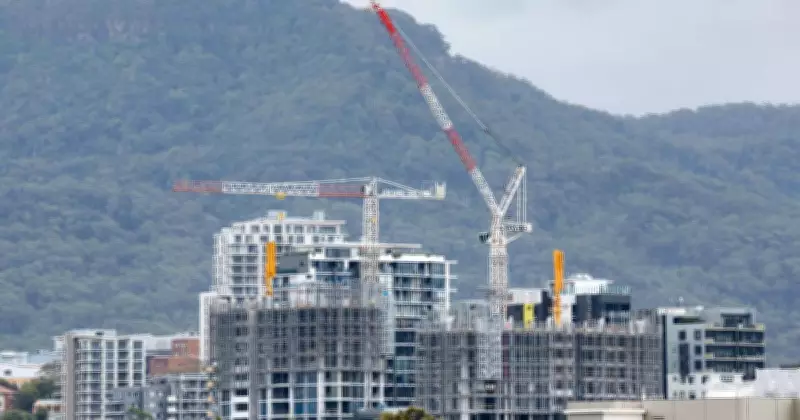
A standout performer in major regional cities across NSW and Victoria was apartments, which saw higher growth in values than houses. In Newcastle, unit prices grew by 4.3 per cent compared to houses, which grew by 2.4 per cent. Units remain cheaper, with a median price of $834,627 versus $1,141,158 for houses. Similarly, unit prices in Wollongong rose by 2.7 per cent (median $847,873) over the same period, compared to houses at 2.5 per cent (median $1,397,246). In the Victorian regional city of Ballarat, unit prices grew by 16.6 per cent (median $451,657) compared to houses (median $652,545). Mr Lawless said this trend is occurring across both capital cities and regional centres. "I think this has a lot to do with affordability and serviceability of mortgages, in that apartment values have a lower price point and therefore generally more affordable," he explained. "It's also a sector where we're not seeing a lot of new supply and probably won't be for some time yet." He added that investors are also taking a strong interest in these regional cities. "Investors do seem to be quite active in these regional markets, and I presume that apartment stock is probably quite popular with that segment." Newcastle, Wollongong and Ballarat, which are within reach of capital cities and offer attractive lifestyles, are likely to remain popular with internal migrants seeking a sea change or tree change, and apartments could suit that demographic well.

What Happens Next
Price growth varies across regional Australia, but higher fuel prices, global uncertainty and further rate rises are all set to take effect. "It was pretty much late last year that we started seeing the RBA becoming more hawkish around higher inflation, and serviceability and affordability challenges were mounting as well," Mr Lawless said. "Since then we've seen two rate hikes and a crisis in confidence too. Consumer sentiment has just fallen off a cliff the last month or two, which of course makes it very hard to make high commitment decisions like buying a home." He noted that uncertainty in the Middle East, higher fuel costs and higher costs of living are already flowing through, pointing to another rate rise. "So I think the headwinds are building for the housing market," he said. "And even though we've seen some resilience across our regional index, it is clearly losing momentum as well."