Toronto Farmland Slated for Residential Redevelopment to Meet Housing Demand
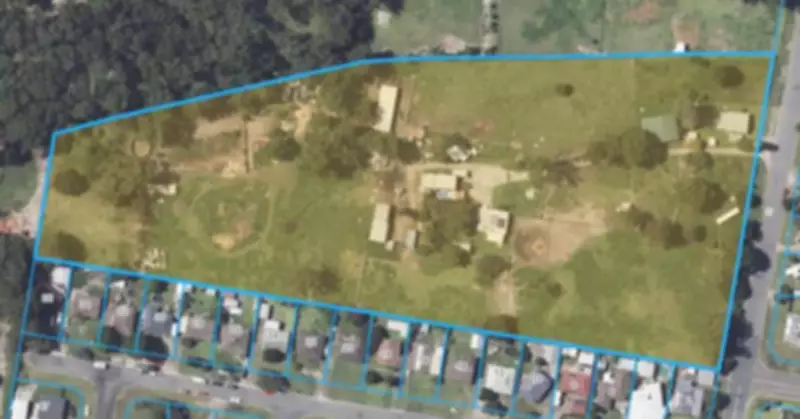
A significant parcel of farmland in Toronto, located within the Lake Macquarie local government area, is poised for a major transformation under new development plans. The proposal, submitted to Lake Macquarie City Council, seeks to convert a 3.2-hectare agricultural site into a 76-lot residential housing estate, aiming to cater to the region's escalating need for housing.
Details of the Development Application
The development application, lodged by Grantham Farm Pty Ltd for the property at 44 Carleton Street, outlines a comprehensive redevelopment strategy. The plans involve clearing the existing structures, which include two houses and farm sheds, along with vegetation, to make way for subdivision. The project is designed to be executed in five distinct stages, ensuring a phased approach to construction and integration.
The proposed residential lots will vary in size, ranging from 250 square metres to 378.7 square metres, offering a mix of housing options to accommodate diverse buyer preferences. In addition to the residential allotments, the development includes a communal open space area, intended to enhance the livability and social connectivity of the estate.

Addressing Population Growth and Housing Shortages
This proposal aligns with broader regional forecasts that highlight Western Lake Macquarie as a key area for residential expansion in the coming decades. Current population projections indicate a substantial increase, with the local government area expected to grow from 222,000 residents in 2024 to approximately 260,000 by 2046. The western suburbs, including Toronto, are anticipated to absorb a significant portion of this growth, underscoring the urgency for new housing developments.
The statement of environmental effects, prepared by Amaroo Town Planning on behalf of the applicant, argues that the development will yield positive social impacts. It emphasises that the addition of 76 residential allotments will help alleviate the overheated demand for housing in the region. Furthermore, the design incorporates a loop road system to improve permeability for both pedestrians and vehicles, fostering safer and more accessible neighbourhoods.
Site Context and Community Considerations
The subject property, currently used for cattle grazing and agriculture, is situated in a predominantly residential context. It is bordered by residential properties to the south on Akora Street and to the east on Carleton Street, facilitating a natural transition to urban use. Proximity to local amenities is a key feature, with Biraban Public School located to the north-west and the Toronto CBD within a two-kilometre radius, enhancing the estate's appeal for families and professionals.
Prior to lodging the development application, Grantham Farm Pty Ltd engaged in two pre-DA meetings with Lake Macquarie City Council's development assessment team in November 2024 and October 2025. These consultations identified several potential issues requiring attention, including traffic management, treatment of mapped watercourses, bushfire safety protocols, and mine subsidence concerns, all of which will need to be addressed as part of the approval process.
Broader Implications for Lake Macquarie
The proposed redevelopment reflects a growing trend across Australia, where agricultural land on urban fringes is being repurposed to meet housing needs amid population pressures. For Lake Macquarie, this project represents a strategic response to forecasted growth, balancing development with community infrastructure. The inclusion of passive communal open spaces aims to preserve natural elements and provide recreational opportunities for future residents, contributing to a sustainable urban environment.
As the application progresses through council assessment, it will likely spark discussions among stakeholders regarding land use priorities, environmental impacts, and the long-term vision for Western Lake Macquarie's expansion. The outcome could set a precedent for similar developments in the region, shaping the landscape of housing and community planning for years to come.