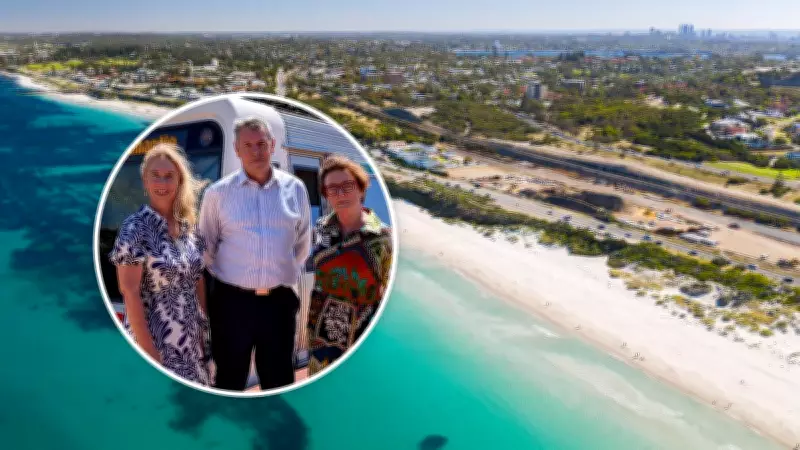
Mayors of WA's Wealthiest Suburbs Advocate for Greater Housing Density
In a significant development for urban planning in Western Australia, mayors from some of the state's most affluent suburbs are pushing for higher housing density than what the state government has proposed. This move aims to tackle pressing issues such as housing affordability and sustainable urban growth, reflecting a proactive approach from local leaders in wealthy areas.
Local Leaders Challenge State Government Plans
The mayors argue that their communities are prepared to accept more density than the state government's current framework allows. They emphasize that this increased density could help alleviate housing shortages and make homes more accessible to a broader range of residents, including young families and essential workers. By seeking to exceed state mandates, these local officials are positioning themselves as champions of progressive urban development.
This stance contrasts with traditional perceptions that wealthy suburbs might resist higher density due to concerns over property values or neighborhood character. Instead, the mayors highlight the benefits of well-planned density, such as improved public transport, enhanced local amenities, and reduced urban sprawl. They believe that embracing more compact living can foster vibrant, connected communities while addressing environmental sustainability.

Implications for Housing Affordability and Urban Growth
The push for greater density has significant implications for housing affordability in Western Australia. By allowing more homes to be built in prime locations, it could potentially lower prices and increase supply, making it easier for people to enter the property market. This aligns with broader efforts to combat the housing crisis, which has seen prices soar in recent years, particularly in metropolitan areas.
Moreover, this initiative could influence state-wide urban planning policies. If successful, it might encourage other municipalities to adopt similar approaches, leading to a more cohesive and forward-thinking strategy for managing population growth. The mayors' advocacy underscores the importance of local input in shaping housing policies, suggesting that community-led solutions can complement government efforts.
As discussions continue, stakeholders including residents, developers, and policymakers will need to navigate the complexities of balancing density with quality of life. The mayors' proactive stance sets a precedent for collaborative urban planning, potentially paving the way for more innovative and inclusive housing solutions across Western Australia.