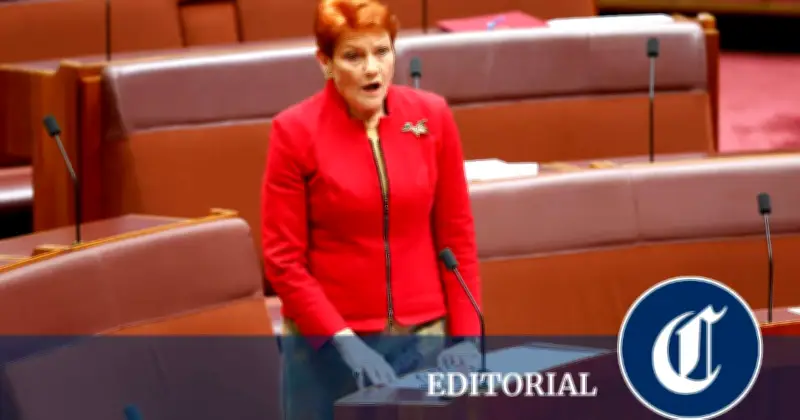
Changes to negative gearing are driving the rise of One Nation, according to a new editorial analysis. The policy shift has left many voters feeling disenfranchised, pushing them towards the populist party.
The Impact of Negative Gearing Changes
The editorial argues that the changes to negative gearing have had unintended consequences. By altering a key tax incentive for property investors, the government has created uncertainty in the housing market. This has particularly affected middle-income earners who rely on property investment for their financial future.
As a result, many of these voters are turning to One Nation as a protest against the major parties. The party has capitalized on this discontent, positioning itself as the voice of the forgotten Australian.

Political Fallout
The rise of One Nation is a clear signal that the major parties need to reassess their housing policies. The editorial suggests that the negative gearing changes have been poorly communicated and implemented, leading to widespread confusion and anger.
One Nation's appeal lies in its promise to revert the changes and restore what it calls 'common sense' to housing policy. This message resonates with voters who feel that their financial security is under threat.
The editorial concludes that unless the major parties address these concerns, One Nation will continue to gain ground. It calls for a more nuanced approach to housing reform that considers the needs of both investors and first-home buyers.