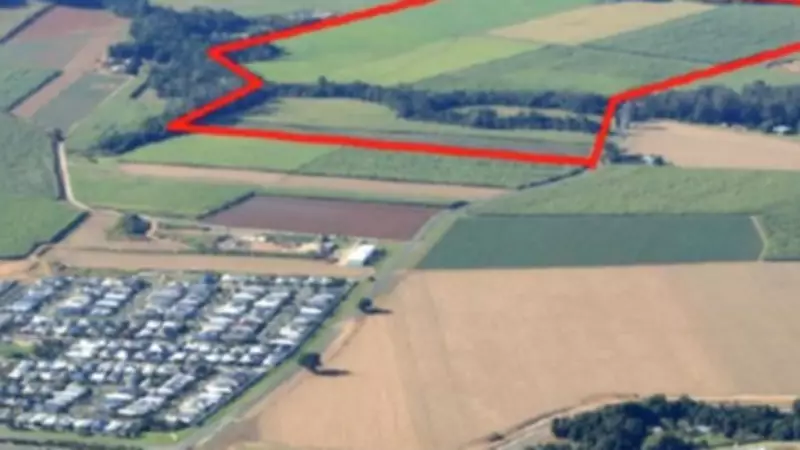
Court Upholds Council's Rejection of 539-Lot Mount Peter Development
The Queensland Court of Appeal has delivered a significant ruling, affirming the Cairns Regional Council's decision to reject a proposed 539-lot housing development in Mount Peter. This decision underscores the council's authority in managing urban growth while addressing environmental and infrastructure challenges.
Background of the Mount Peter Development Proposal
The development, known as Edenbrook, was planned as a large-scale residential project aimed at expanding housing options in the Cairns region. Proponents argued it would boost local employment and meet growing demand for homes. However, the council raised serious concerns about the project's potential impacts on the surrounding environment and existing community infrastructure.
Key Reasons for the Council's Rejection
The Cairns Regional Council cited multiple factors in its initial refusal of the development application. Primary among these were environmental risks, including potential harm to local ecosystems and water resources. Additionally, the council highlighted insufficient infrastructure plans, such as roads and public services, to support such a large population increase. These concerns were central to the court's review and subsequent decision.

Court's Ruling and Legal Implications
In its ruling, the Queensland Court of Appeal found that the council's rejection was justified under planning laws. The court emphasized that local governments have a duty to balance development with environmental protection and community well-being. This ruling sets a precedent for future development applications in Queensland, reinforcing the importance of comprehensive planning and sustainability assessments.
Reactions from Stakeholders
Following the decision, the Cairns Regional Council expressed satisfaction, stating it aligns with their strategic goals for sustainable growth. Developers of the Edenbrook project have not yet commented publicly, but the ruling may prompt them to revise their plans or explore alternative sites. Community groups have welcomed the outcome, citing relief over preserved green spaces and reduced strain on local services.
Impact on Future Development in Cairns
This court decision is expected to influence upcoming development proposals in the Cairns area. It signals that projects must demonstrate robust environmental and infrastructure planning to gain approval. As the region continues to grow, this ruling may encourage more collaborative approaches between developers, councils, and residents to ensure balanced and sustainable urban expansion.
Conclusion
The Queensland Court of Appeal's support for the Cairns Regional Council's rejection of the 539-lot Mount Peter development highlights the critical role of local governance in shaping community futures. By prioritizing environmental and infrastructure considerations, this decision contributes to the long-term health and sustainability of the Cairns region, setting a benchmark for responsible development practices.