Australian Shoppers Brace for Grocery Price Hikes and Shortages Amid Fuel Crisis
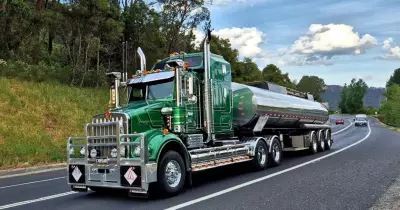
Australian consumers are being urgently warned to prepare for significantly higher grocery prices and potential shortages within weeks as the nation's deepening fuel crisis begins to ripple destructively through critical supply chains. Meanwhile, transport companies across the country report that surging fuel costs are pushing their daily operations perilously close to the brink, with some trucking operators confronting staggering cost increases of up to seventy percent.
Transport Industry at Breaking Point
The situation has become so financially concerning that numerous businesses which own their trucks outright are now choosing to voluntarily pull vehicles off the road, opting strategically to wait out the escalating crisis rather than continue operating at a substantial loss. This growing turmoil on Australia's roads is expected to have a direct and severe impact on supermarket shelves nationwide.
Latest industry modelling and expert analysis suggests consumers could start to experience the tangible effects as early as mid to late April, with stark warnings of either noticeable price hikes on everyday essentials or completely empty shelves altogether. National Road Transport Association CEO Warren Clark emphasized that rising fuel costs and the consequential impact on Australia's intricate supply chains would soon be acutely felt by households.

"We probably haven't seen a large impact on the supermarket shelf yet, but we're thinking that will eventuate roughly around mid to end of April," Clark told media outlets. "The cost of fuel has to be worn by the end customer or people can't actually operate in business."
Unions Seek Regulatory Intervention
Transport unions are actively preparing to escalate the critical issue to the Fair Work Commission, urgently seeking clarity on whether trucking companies and delivery drivers can legally pass on the soaring operational costs to the major corporations they service. This includes supermarket chains and retail giants like Amazon.
However, even if that regulatory request is approved, it will likely offer minimal relief to already strained households. Any additional costs absorbed by large companies are almost certain to be passed directly onto consumers, thereby compounding the intense cost-of-living pressures already facing Australian families.
Small Businesses Forced to Park Trucks
Clark confirmed that numerous small transport businesses were already parking their trucks indefinitely due to the unsustainable rise in fuel costs. "Some of them can't really absorb the costs and I've had members reporting that they'll be forced to park up their trucks because of the cost of the fuel," he explained.
"They'll have a spot job where they're contracted to deliver something and they'll work out a price and away they go, but the problem is that with fuel fluctuating so much, if they're in a contract they've got to be able push that extra fuel cost onto their customer. Their customers may refuse to raise the fuel levies or negotiate a new price," Clark added. "We're hearing of people going, 'Look we own our trucks, we're just going to park them up because we can't afford to run them. We'll go broke running them'."
The compounding crisis highlights the fragile nature of national supply chains and underscores the immediate economic challenges confronting both businesses and consumers as fuel prices continue their volatile ascent.