Abandoned Sea Pools: Australia's Coastal Relics Reclaimed by Nature
Scattered along Australia's vast coastline lie numerous abandoned sea pools, once bustling community hubs that have now been left to the elements. These structures, built primarily in the early to mid-20th century, served as safe swimming spots protected from ocean currents and marine life. Over time, changing recreational trends, maintenance costs, and environmental factors led to their disuse, allowing nature to gradually reclaim them.
Historical Significance and Community Role
These sea pools were integral to coastal communities, providing accessible swimming areas for families and tourists alike. Constructed from concrete or rock, they were designed to harness natural tidal flows, offering a controlled aquatic environment. Many were built during periods of post-war development, reflecting a growing emphasis on public leisure and health. As such, they stand as tangible reminders of Australia's social and architectural history, showcasing mid-century engineering and community planning efforts.
Current State and Ecological Impact
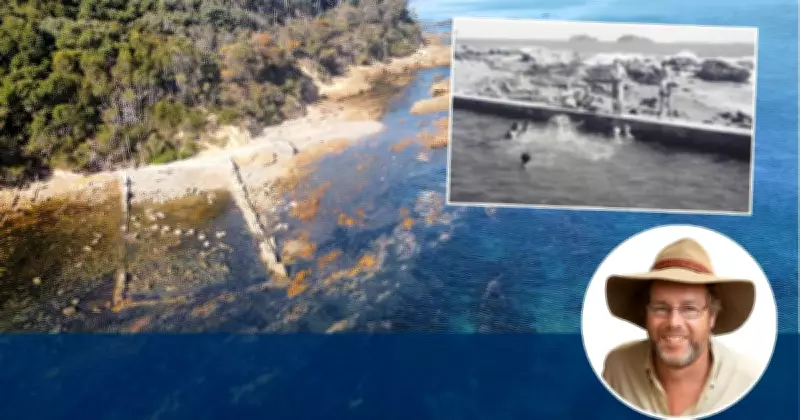
Today, these abandoned pools present a hauntingly beautiful sight, often overgrown with algae, barnacles, and other marine organisms. Their decay has created unique micro-ecosystems, supporting biodiversity by providing habitats for small fish, crustaceans, and plant life. This natural reclamation process highlights the dynamic interplay between human-made structures and coastal environments, with some pools now partially submerged or eroded by waves, blending seamlessly into the rocky shoreline.

Notable Locations and Visitor Insights
From New South Wales to Western Australia, several notable abandoned sea pools can still be found. Examples include sites near Sydney, such as the Bronte Baths remnants, and more remote locations along the Great Ocean Road. While some are easily accessible, others require careful navigation of coastal paths. Visitors are advised to exercise caution due to unstable structures and slippery surfaces, respecting these sites as both historical landmarks and fragile natural habitats.
Preservation Debates and Future Outlook
The fate of these pools sparks ongoing debates among historians, environmentalists, and local communities. Some advocate for restoration to revive their cultural value, while others argue for leaving them as is, allowing nature to continue its course. Limited funding and practical challenges often hinder preservation efforts, leaving many pools in a state of graceful decay. As climate change and coastal erosion accelerate, their future remains uncertain, underscoring the need for balanced approaches to heritage conservation.
In summary, Australia's abandoned sea pools offer a poignant glimpse into the past, where human ingenuity meets the relentless force of nature. They serve as silent witnesses to changing times, inviting reflection on our relationship with the coast and the legacy we leave behind.