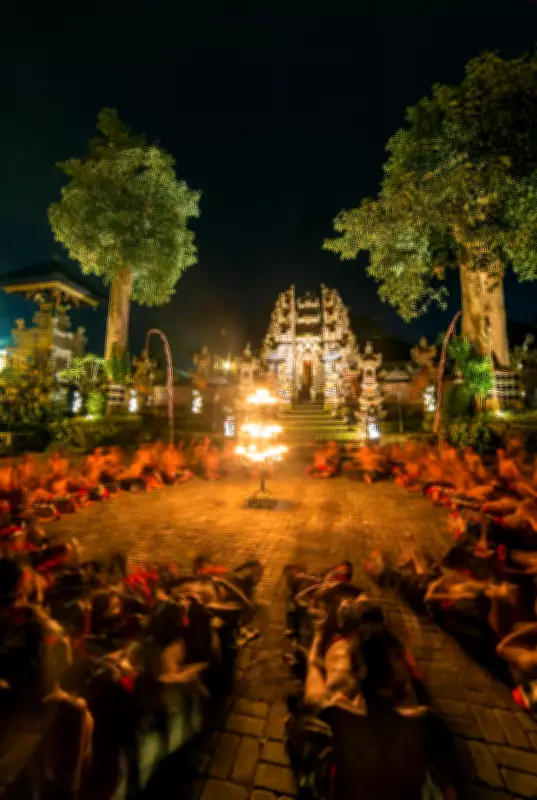
Bali's Kecak Fire Dance: An Unforgettable Cultural Experience
At the historic Pura Uluwatu, an 11th-century clifftop temple in Bali, a daily warning echoes through the amphitheatre as hundreds of tourists gather at sunset. "Ladies and gentlemen, please keep your phone and other belongings close to you because the monkeys can snatch them. If a monkey takes your valuables, do not approach the monkey. Notify us, and we will assist you," advises the PA system. This caution sets the stage for the incredible Kecak fire dance, a high-energy performance that combines dance, theatre, costumes, fire, and ancient storytelling, making it arguably Bali's most mesmerising and unforgettable cultural experience.
The Unique Soundtrack and Storytelling
Unlike other Balinese performances, the Kecak fire dance is not accompanied by traditional gamelan percussion instruments. Instead, it features a bare-chested male choir with up to 100 participants singing a powerful, multi-layered hypnotic chorus. This soundtrack, often described as a rhythmic "chaca-chaca" chant, emulates the sounds of an agitated troop of monkeys, creating an immersive auditory backdrop.
As the chanting intensifies, dancers in elaborate costumes take the stage, using expressive movements and dramatic gestures to narrate the ancient Indian Hindu epic, the Ramayana. This story, believed to be up to 2500 years old, follows Prince Rama and his wife Shinta, who live in exile in a forest. The plot thickens when a demon king named Rahwana becomes enchanted by Shinta's beauty and abducts her, taking her to his fortress. Rama embarks on a rescue mission, aided by Sugriwa, a monkey-like humanoid king, and Hanuman, a revered monkey-faced deity.

The epic reaches a thrilling climax as Rahwana's soldiers capture Hanuman and attempt to kill him. However, Hanuman escapes, sets Rahwana's fortress ablaze, and, with his allies, ultimately defeats Rahwana. The performance concludes with Rama and Shinta reunited in a moment of triumph and relief, leaving audiences captivated by the dramatic tale.
Origins and Accessibility
While the Ramayana is ancient, the Kecak fire dance itself was created much more recently, in the 1930s. It was the result of a creative collaboration between Balinese dancer Wayan Limbak and German expatriate artist Walter Spies. Their inspiration came from the Sanghyang, a centuries-old dance where the audience chants rhythmic vocal patterns similar to the "chaca-chaca" soundtrack of the Kecak. This traditional practice invites spiritual forces to temporarily possess dancers, adding a layer of spirituality to the performance.
The Kecak fire dance serves as the most accessible way for tourists to experience the mythology, spirituality, and artistic expression of Bali without needing to immerse themselves deeply in the practice. It offers a glimpse into the island's rich cultural heritage through a visually stunning and emotionally engaging spectacle.
Where to Witness the Kecak Fire Dance
For those planning to see this cultural marvel, here are key venues and details:
- Uluwatu Temple: The largest and most elaborate Kecak fire dance in Bali is held twice daily at 6pm and 7pm. Tickets can be purchased online for $12 at kecakdanceuluwatu.com.
- De Jukung Resto & Bar Tanah Lot: Located next to Tanah Lot Temple in Tabanan, about half an hour's drive from Canggu, fire dances are held daily at 6pm. Tickets are sold onsite.
- Ubud Temple: On Jalan Raya Ubud, fire dances occur on Mondays and Fridays at 7.30pm. Arrive an hour earlier to secure a seat, with tickets priced at $8.50.
- GWK Cultural Park: Daily fire dances are held at 6pm in the Lotus Pond area. Entry to the park costs $12.50, and more information is available at gwkbali.com.
This expanded guide ensures visitors can fully appreciate Bali's Kecak fire dance, a testament to the island's vibrant artistic traditions and enduring cultural appeal.