Geelong's Rapid Expansion Creates Public Transport Void in Suburbs
As Geelong experiences a significant population and economic boom, a critical issue has emerged in its suburban areas: a lack of bus services. Residents in several outer suburbs are reporting feelings of being forgotten, as the city's growth has not been matched by adequate public transport infrastructure. This disconnect highlights the challenges of managing urban development while ensuring equitable access to essential services for all communities.
Suburban Residents Voice Frustration Over Transport Neglect
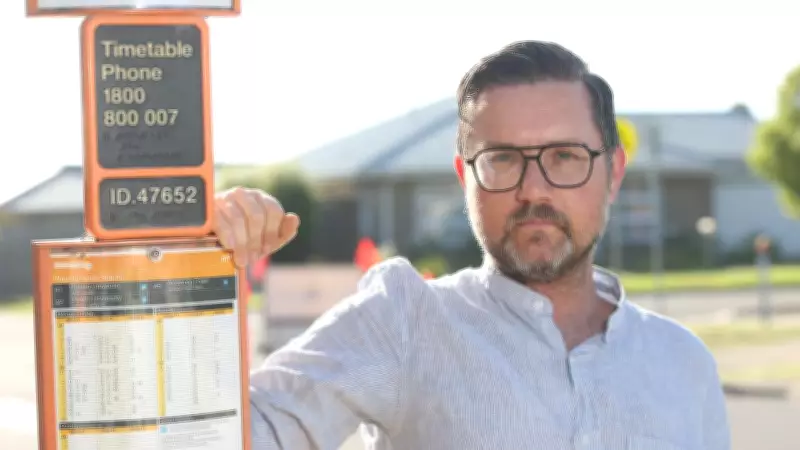
In neighborhoods on the fringes of Geelong, locals describe a daily struggle due to the absence of reliable bus routes. Many rely on private vehicles or face long walks to reach public transport hubs, impacting their ability to access employment, education, and healthcare facilities. The situation has sparked concerns about social isolation and reduced mobility, particularly for elderly and low-income residents who depend on affordable transit options.
Community feedback indicates that the rapid pace of development has outpaced planning efforts, leaving these areas underserved. Some residents have voiced that they feel overlooked in the city's broader vision for growth, with calls for immediate action to address the transport gap.

Impact of Geelong's Boom on Infrastructure Planning
Geelong's boom, driven by factors such as increased investment and migration, has brought economic benefits but also strained existing infrastructure. Public transport networks, in particular, have struggled to keep up with the expanding urban footprint. Experts note that without proactive measures, this issue could worsen, affecting the city's sustainability and livability.
The lack of bus services is not just an inconvenience; it represents a broader failure in urban planning, according to local advocates. They argue that equitable transport access is crucial for inclusive growth, and current gaps risk deepening social divides within the community.
Potential Solutions and Community Calls for Action
To bridge this transport divide, several approaches are being suggested:
- Expanding bus routes to cover underserved suburbs, with a focus on high-demand areas like schools and shopping centers.
- Increasing frequency of services during peak hours to improve accessibility for commuters.
- Engaging residents in planning processes to ensure their needs are prioritized in future transport initiatives.
Local authorities are urged to reassess transport strategies in light of Geelong's growth, with residents demanding more responsive governance. The situation underscores the need for balanced development that considers both economic progress and community well-being.
As Geelong continues to evolve, addressing this public transport gap will be essential for fostering a connected and equitable city. Without swift intervention, the risk remains that more suburbs will be left behind, perpetuating feelings of neglect among residents.