Gili Meno: Bali's Last Unspoiled Paradise Defies Development Trend
Gili Meno: Bali's last paradise fights for survival

Nestled in the warm waters between Bali and Lombok, the Gili Islands have long symbolised tropical perfection. Yet, for two of the three iconic islets, that paradise has been lost to rampant commercialisation. Now, the smallest and most fragile of them all, Gili Meno, stands as the final bastion of a vanishing dream, fighting to preserve its soul through community-led sustainability.

From Hippy Haven to Overdeveloped Madhouse

The author's first visit to the largest island, Gili Trawangan, was in 2006, recalling an intimate, uncrowded hippy retreat. Today, it's a far cry from that memory. The island has transformed into a non-stop party hub for backpackers, where loud techno music blares until 3am daily. With hundreds of guesthouses, bars, and souvenir shops, its unchecked development now mirrors the over-commercialised chaos of Bali's Kuta Beach.

The story on the second island, Gili Air, is similarly grim. As the most populated Gili with around 2000 residents, its prime coastal land was sold to investors long ago. The landscape is now scarred by cheap construction, some still damaged from the devastating 2018 Lombok earthquakes, and plagued by rubbish and construction waste. A Christmas visit in 2022 was so disheartening the author cut a planned week-long stay short after just one day.

Wide Pickt banner — collaborative shopping lists app for Telegram, phone mockup with grocery list

A Fragile Refuge: Gili Meno's Delicate Balance

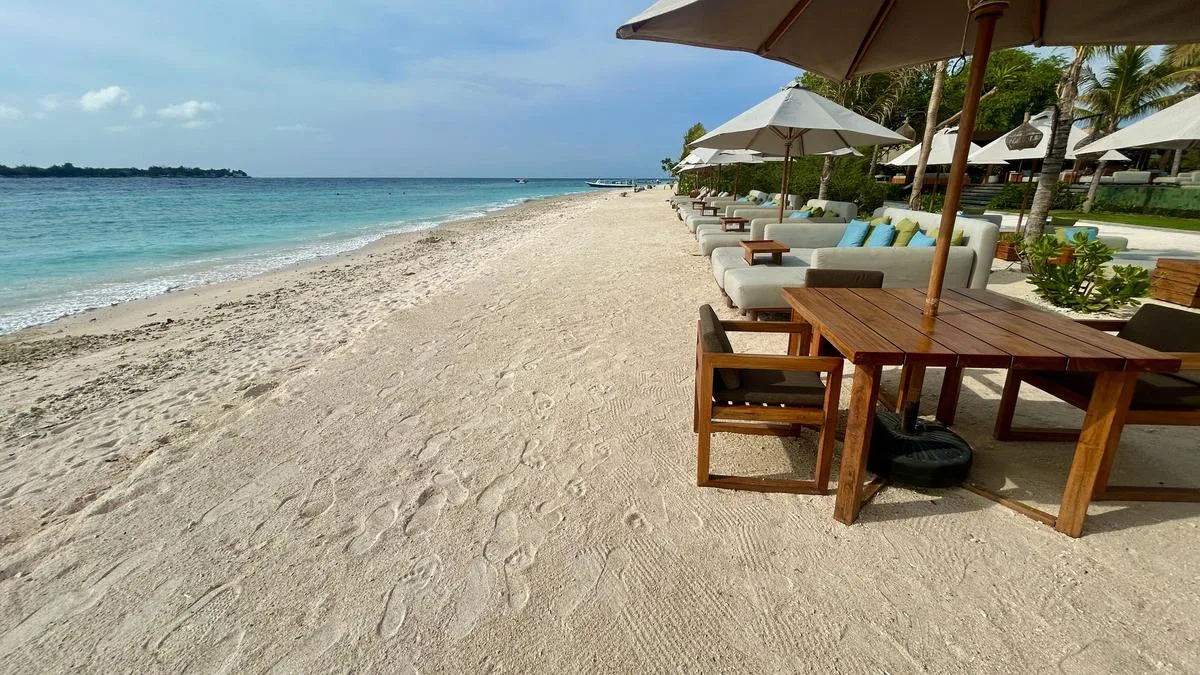
In stark contrast, the author's first trip to Gili Meno in 2025 revealed an island clinging to its idyllic charm. As the smallest and least developed of the trio, its limitations have become its saving grace. With no accessible groundwater—relying on a salty central lake and water shipped in by boat—large-scale development has been naturally hindered.

The result is a slow-paced, Robinson Crusoe-like escape ringed by clean beaches and vibrant coral reefs, a sanctuary for endangered turtles. This preserved state is no accident. It is the direct result of a simple, community-operated rubbish collection system that has become a model of effective local action.

The Community Blueprint for a Sustainable Paradise

Local resident Semuen, who works at the family-run Malfina Beach Bar & Resto, explains the system. Village leaders enlisted school children to separate organic and inorganic waste at home, placing it in different bins on the street for collection. Twice a week, this segregated waste is collected and shipped to the mainland for processing, dramatically reducing landfill.

The program is funded by small contributions from locals and larger support from island businesses. The major financial backer is Australian Greg Meyers, owner of the luxury hotel and beach club, Bask. He contributes a rubbish truck and champions broader environmental initiatives. Notably, the community recently rejected a government-offered incinerator on sustainability grounds, opting instead for a sophisticated rubbish sorting machine. They also hope to introduce Indonesia's first machine that converts plastic waste into diesel.

Meyers' commitment extends beyond waste. On a tour via electric scooter—motorised vehicles are banned on the island—he showed the local school's plot for rainwater tanks, part of a long-term water independence plan, and the beginnings of a large organic vegetable garden.

"Starting next year, children will be taught sustainable farming and sell produce to me and other island hotels," Meyers says. He hopes this creates generational change, proving income can be made sustainably without selling land to the highest bidder.

When asked if Gili Meno is destined to follow Gili T's fate, Meyers is cautiously optimistic. "I don't have a crystal ball," he admits. "But because this island is so small—you can walk around it in an hour—and the community has always been anti-development, we have a really good opportunity to keep it as it is."

In a region where paradise is often paved over, Gili Meno's story offers a fragile hope. It demonstrates that with strong community will, intelligent environmental stewardship, and responsible tourism, the last pieces of paradise might just be saved.

Pickt after-article banner — collaborative shopping lists app with family illustration