Public Transport Sees Major Rise as Drivers Face Larger Fuel Bills
In a notable shift driven by economic pressures, public transport usage has surged significantly as motorists confront increasingly hefty fuel bills. Recent data indicates a sharp increase in commuters opting for buses, trains, and other transit options to mitigate the financial strain of rising petrol and diesel costs.
Escalating Fuel Prices Drive Commuter Behavior Changes
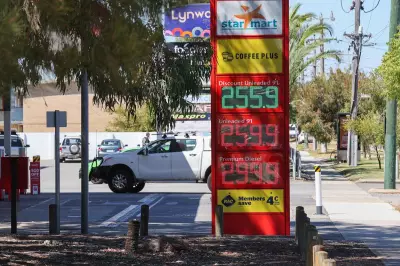
The spike in fuel prices has prompted many drivers to reconsider their daily travel habits. With the cost of filling up at the pump climbing steadily, households are seeking more affordable alternatives to manage their budgets. This trend is particularly evident in urban areas, where public transport networks offer viable and cost-effective solutions for getting to work, school, or other destinations.
Transport authorities report a marked rise in passenger numbers across various services, reflecting a broader move away from private vehicle use. This shift not only alleviates individual financial burdens but also contributes to reduced traffic congestion and lower carbon emissions, aligning with environmental sustainability goals.

Regional and Urban Networks Experience Increased Demand
Both regional and metropolitan transport systems have observed heightened demand, underscoring the widespread impact of fuel price hikes. In regional communities, where car dependency is often higher, the availability and reliability of public transport have become critical factors in enabling residents to cope with escalating costs.
Urban centers, with their more extensive transit infrastructure, have seen even more pronounced increases in ridership. Commuters are increasingly leveraging integrated ticketing systems and improved service frequencies to make public transport a practical and efficient choice for their daily needs.
Long-Term Implications for Transport Policy and Planning
The current surge in public transport use highlights the need for ongoing investment in transit infrastructure to accommodate growing demand. Policymakers and planners are urged to consider this trend when developing future transport strategies, ensuring that networks remain accessible, reliable, and affordable for all users.
As fuel prices continue to fluctuate, the reliance on public transport may persist, potentially leading to lasting changes in commuting patterns. This scenario presents an opportunity to foster more sustainable transport ecosystems that benefit both the economy and the environment.
In summary, the rise in public transport usage amid larger fuel bills underscores a significant adaptation in commuter behavior, driven by economic necessity and a growing awareness of alternative travel options.