University Vice-Chancellor Admits to Discussing Kordamentha Report with Chancellor
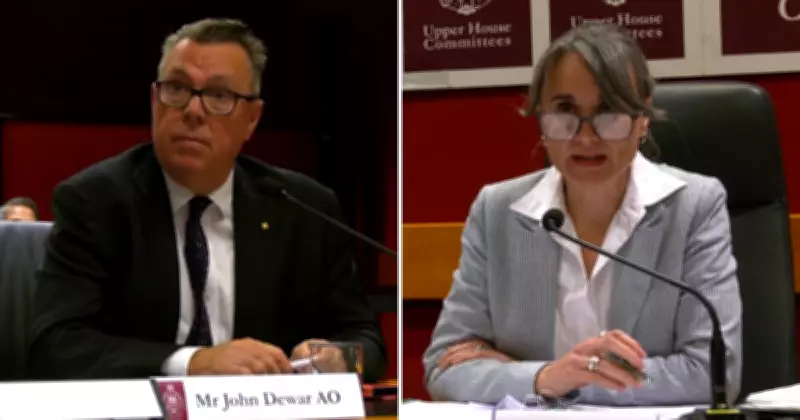
In a significant development, University of Wollongong Vice-Chancellor John Dewar has publicly admitted to engaging in discussions about the Kordamentha report with the university chancellor. This admission comes amid ongoing scrutiny of the institution's handling of sensitive governance matters, sparking renewed debate over transparency and accountability within the academic community.
Details of the Admission
John Dewar confirmed that he had conversations regarding the Kordamentha report, which is a critical document related to the university's internal affairs and financial oversight. The report, prepared by the firm Kordamentha, has been a focal point of controversy, with allegations of mismanagement and lack of proper disclosure. Dewar's acknowledgment marks a pivotal moment, as it directly addresses previous speculation about the extent of communication between senior university officials on this issue.
The discussions reportedly took place during formal meetings and informal exchanges, highlighting the ongoing nature of the dialogue. This revelation has prompted calls for further investigation into the content and implications of these talks, with stakeholders demanding clarity on whether proper protocols were followed.

Implications for University Governance
The admission raises serious questions about the governance structures at the University of Wollongong. Critics argue that such discussions, if not properly documented or disclosed, could undermine public trust in the institution's leadership. Transparency advocates have emphasized the need for universities to maintain high standards of accountability, especially when dealing with sensitive reports that impact financial and operational integrity.
In response, the university has stated that it is committed to upholding best practices in governance and will review its communication processes to ensure compliance with regulatory requirements. However, this has done little to assuage concerns among faculty, students, and external observers who are calling for a more thorough audit of the situation.
Broader Context and Reactions
The Kordamentha report has been a contentious topic for some time, with previous allegations of irregularities in its handling. Dewar's admission adds a new layer to the controversy, suggesting that senior leaders were actively engaged in discussions about the report, potentially influencing its dissemination or interpretation.
- Faculty members have expressed unease, citing potential conflicts of interest and the need for independent oversight.
- Student groups are mobilizing to demand greater transparency, organizing forums and petitions to voice their concerns.
- External bodies, including regulatory agencies, are monitoring the situation closely, with some indicating they may launch formal inquiries if further evidence of misconduct emerges.
This development underscores the challenges faced by higher education institutions in balancing internal governance with external accountability. As the story unfolds, it serves as a reminder of the importance of robust ethical frameworks in academic leadership.
Looking Ahead
Moving forward, the University of Wollongong faces increased pressure to address these governance issues head-on. Key steps may include implementing stricter communication protocols, enhancing transparency in report handling, and engaging with stakeholders to rebuild trust. The outcome of this situation could set a precedent for how similar cases are managed in the Australian university sector, influencing policies on governance and disclosure nationwide.
In conclusion, John Dewar's admission about discussing the Kordamentha report with the chancellor has ignited a critical conversation on university governance. It highlights the need for ongoing vigilance and reform to ensure that academic institutions operate with the highest levels of integrity and openness, safeguarding their reputation and the interests of all involved parties.