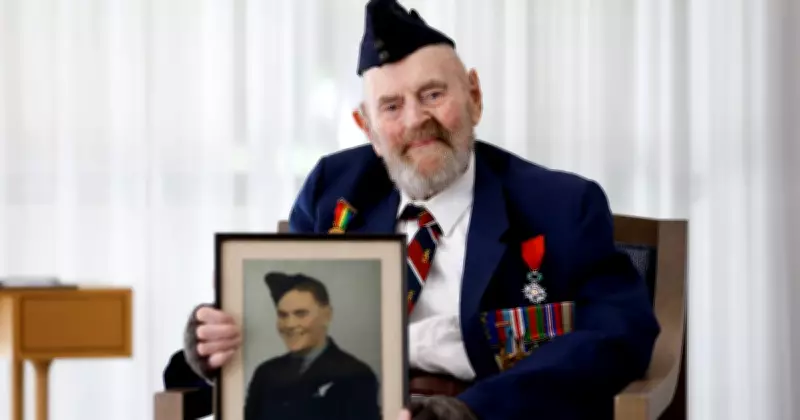
The extraordinary story of World War II veteran Dr Max Barry, who endured three years as a prisoner of war in harrowing conditions, has been brought to light in a new publication. The book details his capture by Japanese forces in 1942 and the subsequent ordeal that tested his resilience to the very limits.
A Harrowing Journey Begins
Dr Barry, a medical officer with the Australian Army, was captured during the fall of Singapore. He was among thousands of Allied soldiers taken prisoner and subjected to forced labour, malnutrition, and disease. The new book, based on his personal diaries and interviews, paints a vivid picture of his daily struggles for survival.
Life in Captivity
As a doctor, Dr Barry was tasked with treating fellow prisoners despite having minimal supplies. He performed surgeries with crude instruments and fought to keep men alive amid outbreaks of dysentery, malaria, and beriberi. The book recounts how he risked his own life to procure medicine from captors and comforted the dying in makeshift hospitals.

The Toll of War
The psychological impact of captivity is also explored. Dr Barry witnessed countless deaths and endured interrogation and beatings. Yet, his unwavering spirit and sense of duty kept him going. The narrative highlights the camaraderie among prisoners and the small acts of defiance that sustained their morale.
Return to Freedom
After Japan's surrender in 1945, Dr Barry was liberated and returned to Australia. He later became a respected physician in the Illawarra region, where he lived until his passing in 2015. His story, now shared publicly, serves as a testament to the resilience of the human spirit in the face of unspeakable adversity.
The book, titled 'The Indomitable Dr Max Barry', is available now. It includes photographs and documents from his personal collection, offering an intimate glimpse into one man's war and its lasting legacy.