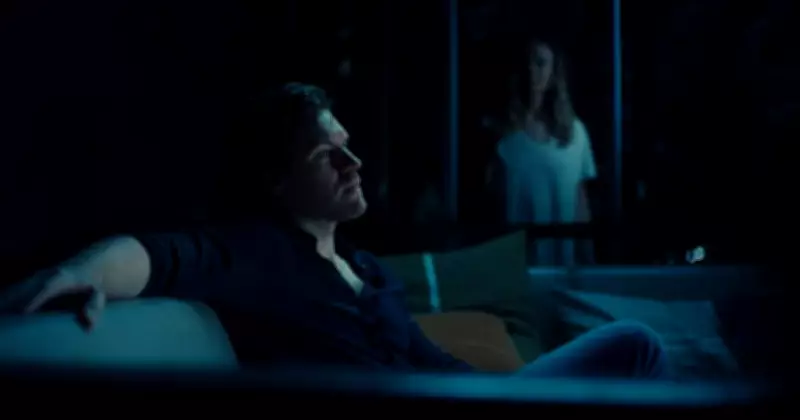
A new documentary produced in Newcastle is bringing the hidden issue of coercive control into the spotlight. Titled Life Could Be a Dream, the film delves into the insidious patterns of psychological abuse that often go unrecognized but can be just as damaging as physical violence.
Understanding Coercive Control
Coercive control is a form of domestic abuse where the perpetrator uses a range of tactics to dominate and control their partner. These can include isolation, financial control, monitoring, and emotional manipulation. Unlike physical abuse, coercive control leaves no visible scars, making it harder for victims to identify and for others to recognize.
The film features interviews with survivors, experts, and advocates who share their insights and personal stories. It aims to educate the public about the warning signs and the long-term impact on victims' mental health and well-being.

Local Impact and Response
Newcastle has seen a growing awareness of coercive control, with local services and law enforcement receiving more reports. The documentary is part of a broader effort to change perceptions and encourage victims to seek help.
Director Sarah Thompson said the idea for the film came from hearing too many stories of women who felt trapped in relationships where they were slowly stripped of their autonomy. "We wanted to show that this is not just a private issue but a societal one that requires collective action," she said.
Expert Opinions
Dr. Michael Chen, a psychologist specializing in domestic abuse, praised the film for its nuanced portrayal. "Coercive control is often the precursor to physical violence, but it's also a standalone form of abuse that can be devastating. Films like this help demystify the experience and validate survivors."
The documentary also highlights the role of technology in coercive control, with perpetrators using smartphones and social media to monitor and harass victims. This digital dimension adds a new layer of complexity to an already challenging issue.
Community Screenings and Discussions
Following its release, Life Could Be a Dream will be screened at community centers and universities across Newcastle, with panel discussions and Q&A sessions to facilitate dialogue. Organizers hope the film will encourage more people to recognize the signs and support those affected.
Local support services have reported an increase in inquiries following the film's trailer release, indicating a growing willingness to address the issue. The documentary is also being used as a training resource for police and healthcare professionals.
For those experiencing coercive control, help is available through hotlines and shelters. The film's message is clear: no one should have to live under the shadow of control, and with awareness and support, change is possible.