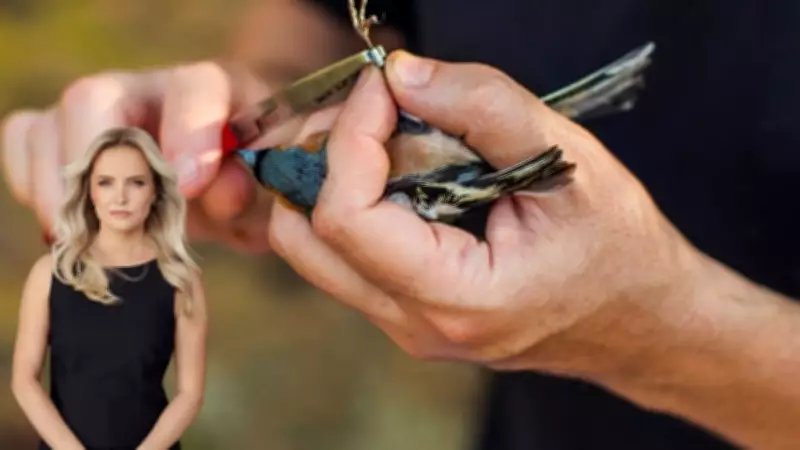
Language shapes our perceptions, and for too long, birds have been the victims of unfair linguistic slights. From being called a 'birdbrain' to embarking on a 'wild goose chase,' these idioms paint our feathered friends in a negative light. It's time to reconsider these expressions and perhaps even retire them.
The Problem with 'Birdbrain'
Calling someone a 'birdbrain' implies stupidity, but in reality, many birds are remarkably intelligent. Crows, for instance, use tools, recognize human faces, and solve complex problems. Parrots can learn hundreds of words and understand concepts like shapes and colors. The term 'birdbrain' not only insults humans but also misrepresents the cognitive abilities of birds.
A 'Wild Goose Chase' Is Not So Wild
Similarly, a 'wild goose chase' suggests a futile pursuit. However, geese are highly organized and purposeful in their migrations. They work as a team, taking turns leading the flock. Perhaps we should instead say 'a wild goose chase' to describe a well-coordinated effort rather than a pointless one.

Other Offending Idioms
- Eat like a bird – This implies eating very little, but many birds consume large amounts relative to their size, especially during migration.
- Birds of a feather flock together – While not necessarily negative, it can be used to suggest cliquishness. In truth, birds flock for safety and efficiency.
- Kill two birds with one stone – This violent idiom glorifies harming birds for convenience. A more humane alternative could be 'feed two birds with one seed.'
Why Change Matters
Language evolves, and as we become more aware of the impact of our words, we can choose expressions that are more accurate and respectful. Birds play vital roles in ecosystems, and many species face threats from habitat loss and climate change. Using positive or neutral language can foster a greater appreciation for them.
Proposed Alternatives
- Instead of 'birdbrain': Use 'sharp as a tack' or 'clever as a crow.'
- Instead of 'wild goose chase': Use 'fruitless endeavor' or 'lost cause.'
- Instead of 'eat like a bird': Use 'eat like a sparrow' (if referring to small portions) or 'eat like a migratory bird' (if referring to large amounts).
- Instead of 'kill two birds with one stone': Use 'accomplish two things at once' or 'feed two birds with one seed.'
By updating our language, we not only show respect to birds but also enrich our communication with more precise and thoughtful expressions. Let's spread our wings and embrace a more bird-friendly vocabulary.