Saffron Burrows leads the cast of 'The Morrigan,' a new Celtic horror film that draws on Irish mythology but fails to conjure genuine terror. The movie, directed by first-time filmmaker Ciaran O'Reilly, follows a grieving archaeologist who unleashes a vengeful war goddess while excavating a Neolithic tomb in rural Ireland.
Plot and Premise
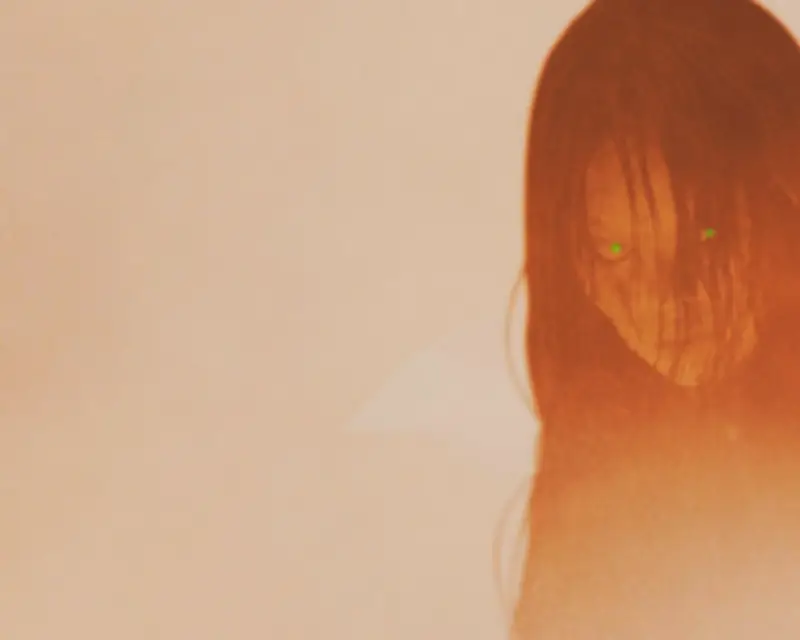
Burrows plays Dr. Aoife Ní Mhaoldomhnaigh, a Dublin-based academic still haunted by her mother's death. She travels to the Burren in County Clare to investigate an ancient burial site. There, she accidentally awakens the Morrigan, a shape-shifting Celtic deity associated with war and fate. The goddess manifests as a crow, a wolf, and a spectral woman, preying on Aoife's guilt and grief.
The film attempts to weave Irish folklore into a psychological horror framework, but the execution is muddled. The scares rely heavily on jump cuts and loud sound effects rather than atmosphere or character development. According to a representative from the Irish Film Board, the production received €1.2 million in funding, yet the final product feels underdeveloped.

Performance and Direction
Burrows delivers a committed performance, conveying Aoife's vulnerability and determination. However, she is let down by a script that gives her little to work with beyond exposition and reaction shots. Supporting actors, including Aidan McArdle as a skeptical local priest and Fionnula Flanagan as a wise elder, are underutilized.
O'Reilly's direction shows ambition but lacks control. The film's pacing is uneven, with long stretches of dialogue followed by frantic, incoherent action sequences. The visual effects, particularly the Morrigan's transformations, are unconvincing and detract from the intended menace.
Thematic Depth and Cultural Authenticity
The film tries to explore themes of grief, guilt, and the cyclical nature of violence, but these threads are abandoned in favor of generic horror tropes. Authenticity to Celtic mythology is superficial; the Morrigan is reduced to a vengeful spirit rather than the complex figure of Irish lore. Historian Dr. Eimear O'Toole noted, 'The film borrows names and symbols but ignores the deeper narratives of sovereignty and prophecy that define the Morrigan in medieval texts.'
This lack of cultural depth may disappoint audiences familiar with Irish mythology, while general viewers may find the story confusing. The film's reliance on exposition dumps to explain the lore further hampers its flow.
Technical Aspects
Cinematographer Cian de Buitléar captures the stark beauty of the Burren landscape, but the gloomy, desaturated palette becomes monotonous. The score by composer Niamh O'Donovan mixes traditional Irish instruments with electronic drones, yet it often overwhelms scenes rather than enhancing them.
The editing is choppy, particularly during horror sequences, which fail to build tension. The film's 98-minute runtime feels longer due to repetitive scares and a predictable climax.
Conclusion
'The Morrigan' is a missed opportunity to bring Celtic mythology to the horror genre with fresh perspective. Despite Burrows's earnest performance and the stunning Irish setting, the film succumbs to formulaic scares and shallow storytelling. It may appeal to die-hard horror fans seeking a mythological twist, but most viewers will find it forgettable.
The film opens in limited theaters on July 10, 2026, before streaming on AMC+ from July 17.