Outrage as 100-Year-Old Trees Axed in Greenfields for Housing Project
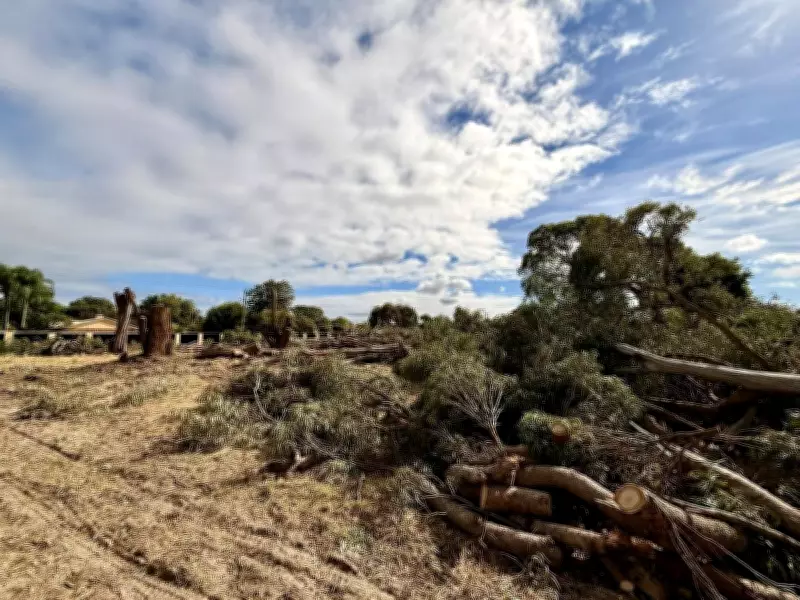
Residents of Teranca Mews Lifestyle Village in Greenfields were left seething with anger and disappointment last Tuesday after witnessing what they described as a "disgusting act"—the removal of several 100-year-old trees from a neighbouring property to make way for a new housing development. The incident has ignited a fierce community backlash, with locals condemning the loss of mature tuarts and other planted trees that had stood for generations.
Community Efforts to Halt the Tree Felling
Village manager Gillian Houston revealed that her team and surrounding residents discovered the plan to remove the trees just days before the work began. In a desperate attempt to stop the destruction, they sent "numerous" letters, emails, and phone calls expressing their concerns to the City of Mandurah. However, their pleas fell on deaf ears as the trees were swiftly cut down. "Gone in the blink of an eye," Ms Houston lamented. "There was absolutely no effort made to keep even a blade of grass out there. They have absolutely stripped it to the ground; it is absolutely criminal."
Adding to the frustration, Ms Houston pointed out that a City of Mandurah Tree Preservation Area sign was located just 200 metres away from the site. She expressed bewilderment at how the culling was permitted in such a protected zone. "The City of Mandurah should not have allowed this to happen in a tree preservation area," she asserted. "These trees were protected, but obviously rules and policy do not mean anything. Those trees were full of birds, and now they're homeless. We will never have trees like that again. It's disgusting that it was ripped out. This was a disgusting act."

Official Responses and Legal Justifications
In a Riverside Gardens community Facebook group, east ward councillor Daniel Wilkins clarified that the decision was not made by the council. "Not sure what's happening on this block. Approvals like this don't usually come to council; they normally go through a DAP," he explained. "I'm not agreeing that it's right; I hate seeing big old trees like this being cut down."
A City of Mandurah spokesperson provided a formal statement, explaining that the trees were on private land within an area zoned residential. Since the land had been previously subdivided, the tree removal did not require development approval under the city's planning framework. The spokesperson also noted that while another address on the street appears on the significant tree registry, these specific trees were not listed, thereby allowing their removal legally.
Arborist's Reluctance and Emotional Impact
Ms Houston shared a poignant account of speaking with the arborist on the day of the job. She said he arrived visibly distressed and admitted to checking three times before starting work because he could not believe the task was authorised. "The arborist knows that these trees are protected and should not be allowed to be removed," she recounted. "He didn't want to do it, but his orders were to remove the trees. He was really upset that he had to cut down these beautiful big trees."
The aftermath of the tree felling has left the land barren, with images showing a kookaburra returning to the empty site, symbolising the displacement of wildlife. This event has sparked broader discussions about urban development, environmental preservation, and the enforcement of local regulations in rapidly growing areas like Greenfields.