Cockburn Council Unveils Major Street Tree Policy Overhaul
The City of Cockburn has announced a comprehensive update to its street trees planning policy, with ambitious goals to expand the urban tree canopy and protect the municipality's existing 65,000 street trees. This significant policy reform was officially endorsed during the ordinary council meeting held on March 10, 2026.
New Standards for Tree Planting and Removal
The revised policy establishes clear and stringent standards for both new tree plantings and the removal of existing trees within Cockburn's road reserves. It also provides detailed guidance for the installation and management of trees in subdivisions and new developments across the city.
City of Cockburn Mayor Logan Howlett emphasized the critical importance of robust, long-term tree canopies for community health and sustainability. "This policy enables us to continue acknowledging the vital role trees play in the health and wellbeing of our residents," Mayor Howlett stated.

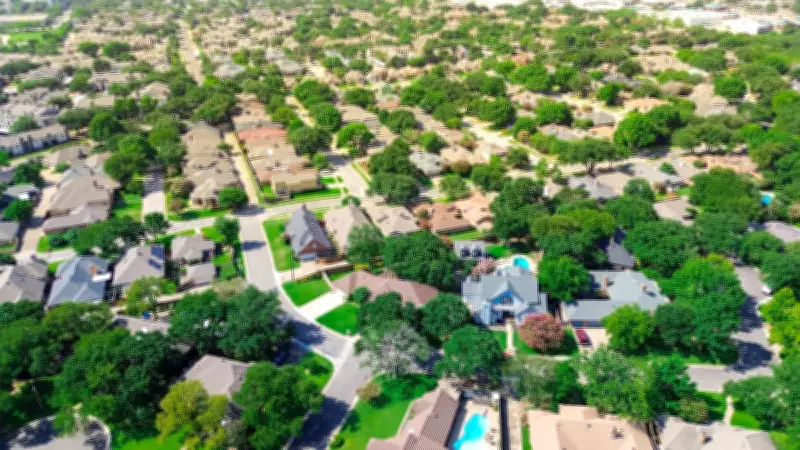
He further highlighted the multifaceted benefits provided by the city's extensive tree network, noting, "Our 65,000 street trees offer immense advantages, including enhanced experiences for pedestrians and cyclists, improved air quality, vital habitat for native wildlife, reduction of urban heat island effects, and increased aesthetic appeal and character across our suburbs."
Financial Adjustments and Development Requirements
A key component of the new policy involves financial mechanisms to support tree preservation and replacement. The policy mandates that the city receive compensation covering the full replacement value for any trees that are removed. Notably, the previous $600 fee for street tree contributions has been eliminated, with current fees set at $980 plus GST.
Additionally, the policy introduces stricter requirements for new developments, necessitating the inclusion of more trees per lot to contribute to Cockburn's long-term canopy expansion. Mayor Howlett explained that this measure is designed to incentivize developers and landowners to plant larger, healthier trees or provide financial contributions to the city for tree planting initiatives on their behalf.
Alignment with Strategic Goals and Community Feedback
The policy directly supports the City of Cockburn's strategic community plan, particularly in addressing climate change and enhancing natural areas, bushland, parks, and open spaces. Mayor Howlett affirmed, "It specifically aligns with our strategic objectives to combat climate change and protect our natural environments."
Community input played a crucial role in shaping the policy, with streetscape appearance identified as a high priority among Cockburn residents. The policy draft was open for public consultation during November and December of the previous year, receiving three submissions that expressed strong support for the initiative.
One submission articulated concerns about the declining presence of street trees in metropolitan areas, citing factors such as vehicle parking on verges and increased housing density due to the rental crisis, which reduces available space for trees. The submission stressed, "Tree canopy is essential for mitigating climate change effects, reducing urban heat, and improving overall amenity and liveability."
Another resident requested that trees not be planted on narrow lane separation strips within roads, suggesting instead that planting occur along road kerbs. A city officer clarified that the policy specifically applies to verges, not median islands.
Policy Scope and Implementation
The updated street trees policy encompasses land zoned for various uses, including residential, regional centre, district centre, local centre, mixed business, light and service industry, and industrial areas. This broad scope ensures comprehensive coverage across Cockburn's diverse urban landscape.
With these reforms, the City of Cockburn aims to foster a greener, more resilient urban environment, leveraging street trees as fundamental assets for ecological health, community wellbeing, and climate adaptation.