Lara Incinerator Opponent Calls for Final 'Dead, Buried, and Cremated' Verdict
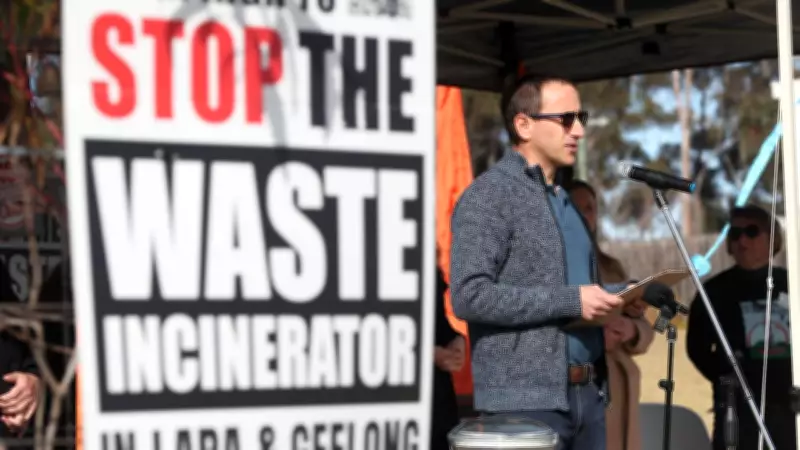
A prominent opponent of the proposed Lara incinerator has issued a strong demand for authorities to declare the controversial project definitively "dead, buried, and cremated", arguing that lingering uncertainty continues to fuel community anxiety and environmental risks in the Geelong region.
Community and Environmental Concerns Persist
The call comes amid ongoing debates over waste management solutions, with critics highlighting potential health hazards and ecological impacts. The opponent emphasized that without a clear, final rejection, residents remain in a state of limbo, fearing the project could be revived under new approvals or political shifts.
"This incinerator proposal has been a source of distress for our community for too long," the opponent stated. "We need a decisive verdict to put this issue to rest once and for all, ensuring it is not just shelved but permanently eliminated from consideration."

Background of the Controversial Proposal
The Lara incinerator plan has faced significant opposition since its inception, with local groups and environmental advocates raising alarms over:
- Potential air pollution and emissions affecting public health.
- Impacts on local wildlife and natural habitats.
- Concerns about increased traffic and noise in the area.
- Questions over the long-term sustainability of incineration as a waste solution.
Proponents of the project have argued it could address waste disposal needs and generate energy, but these claims have been met with skepticism from opponents who advocate for more eco-friendly alternatives like recycling and composting.
Call for Definitive Action
The opponent's plea for a "dead, buried, and cremated" verdict underscores a broader frustration with bureaucratic delays and ambiguous outcomes in environmental decision-making. They are urging local and state authorities to:
- Issue an official statement rejecting the incinerator permanently.
- Engage with the community to develop sustainable waste management plans.
- Implement stricter regulations to prevent similar proposals in the future.
This demand reflects a growing trend of community-led activism in Geelong, where residents are increasingly vocal about protecting their environment and health from industrial developments.
Looking Ahead
As the debate continues, the outcome of this call could set a precedent for how waste management projects are handled in Australia, balancing industrial needs with community welfare. The opponent concluded, "It is time for leadership to step up and deliver a clear, final answer. Our community deserves peace of mind and a healthy future."