Queensland Man Survives Five Days in Remote Outback After Vehicle Rollover
A Queensland man has been found alive after enduring five days in harsh remote outback conditions, following a dramatic vehicle rollover. Suleiman Surtie, aged 42, was last seen departing from Cloncurry, located east of Mount Isa, at approximately 3pm on Friday. He was believed to be traveling to Cairns in a distinctive white Toyota Landcruiser adorned with red and black decals.
Extensive Search Operation Launched
When Surtie failed to arrive at his destination, authorities initiated a comprehensive search across parts of North West Queensland. Police, ground crews, and a helicopter meticulously scoured areas around Julia Creek and Richmond starting Tuesday afternoon. The operation was temporarily suspended overnight but resumed at first light on Wednesday.
Just after 1.30pm on February 18, police confirmed a breakthrough in the case. The man reported missing near Julia Creek has been located safe and well, according to official statements.

Resourceful Survival in Harsh Conditions
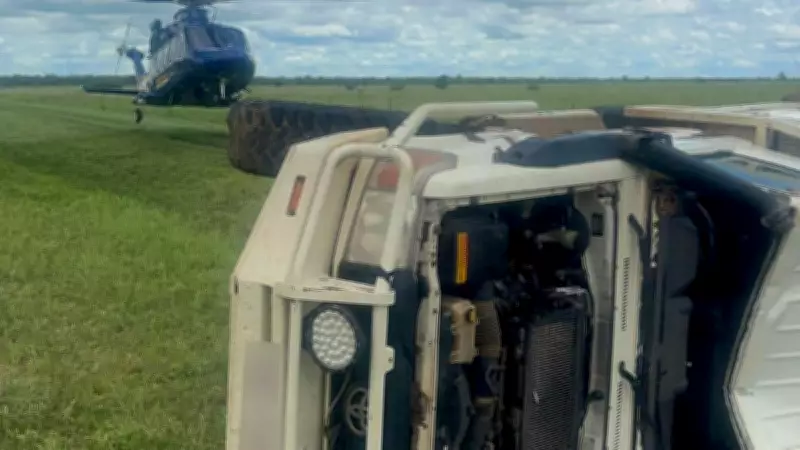
After rolling his vehicle while en route to Cairns, Surtie demonstrated remarkable resilience by setting up a makeshift camp near the crash site. Vision from the scene reveals he utilized parts of his crashed vehicle, along with a swag and a camping chair, to create a temporary shelter. This resourceful approach likely contributed to his survival in the challenging outback environment.
A local helicopter spotted him approximately 30 nautical miles northwest of Richmond, leading to his rescue. The Mount Isa-based LifeFlight crew was tasked around 6am to assist in the operation.
Successful Rescue and Medical Assessment
The LifeFlight helicopter landed near the patient's campsite where he was assessed by the Queensland Ambulance Service (QAS) critical care flight paramedic, LifeFlight reported. Surtie was found to be uninjured and was subsequently airlifted to Mount Isa Hospital for further evaluation as a precautionary measure.
This incident highlights the dangers of remote travel in Australia's outback and underscores the importance of preparedness and swift emergency response efforts in such isolated regions.