Perth's Wetlands Under Threat: Biosecurity Teams Target Invasive Noogoora Burr
State biosecurity teams are intensifying their efforts in Perth's northern wetlands to prevent the spread of a toxic and invasive weed known as Noogoora burr. A significant joint operation is currently underway at Yellagonga Regional Park, located around Lake Joondalup, as authorities work to contain this declared environmental threat.
Joint Operation to Protect Wetland Ecosystems
The collaborative inspection and eradication effort is being led by teams from the Department of Primary Industries and Regional Development (DPIRD) alongside the Department of Biodiversity Conservation and Attractions. This coordinated approach aims to address the serious risks posed by Noogoora burr, scientifically known as Xanthium strumarium, to local wetland ecosystems.
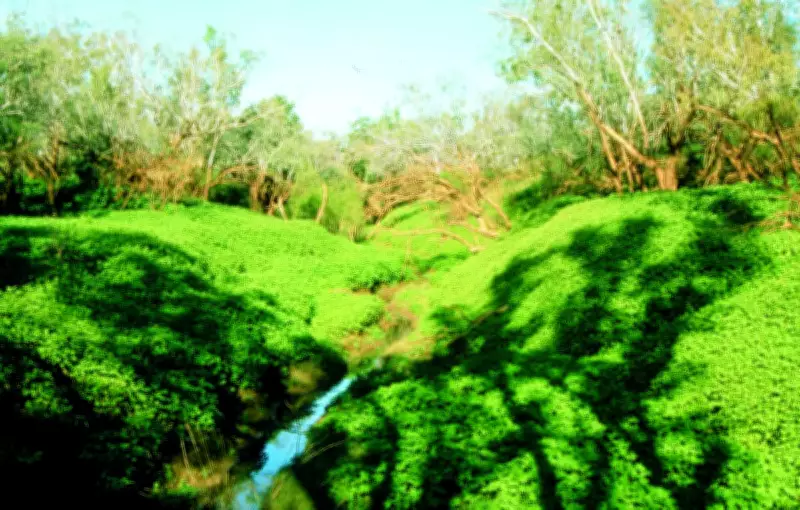
This invasive weed presents multiple threats beyond environmental damage. It is toxic to livestock and can contaminate wool in sheep-grazing areas, creating significant economic risks for Western Australia's agricultural and pastoral industries. The weed's ability to form dense, single-species colonies allows it to dominate riverbanks and floodplains, displacing native vegetation and fundamentally altering wetland habitats.

History of Detection and Ongoing Surveillance
DPIRD biosecurity officer Glen Coupar explained that Noogoora burr has previously been detected at several wetland sites across Perth's northern metropolitan suburbs, including Yellagonga Regional Park. "Initial eradication efforts within Yellagonga eight years ago resulted in a substantial reduction after large infestations were treated," Mr Coupar stated.
He emphasized that authorities have maintained vigilance through frequent follow-up surveys to remove any emerging seedlings, with surveillance work continuing consistently since the initial detection. "We are carrying out this vital joint activity to ensure that this highly invasive weed does not become established in the South West of Western Australia," Mr Coupar added, highlighting the preventive nature of the current operation.
Rapid Spread Mechanisms and Environmental Impact
The Noogoora burr possesses several characteristics that make it particularly problematic for containment. Its seed-filled burrs can float on water, allowing for rapid movement along riverbanks and waterways. Additionally, these burrs easily attach to clothing, footwear, and animals, facilitating human-assisted spread across wider areas.
Each burr is covered with hooked spines and horn-like projections that cling to fur and feathers, causing pain, infection, and lameness in animals. The burrs transition from green when new to brown when ripe, making identification possible throughout their development cycle.
"Noogoora burr is a significant weed which spreads quickly and, once established, it is difficult to eradicate," Mr Coupar warned, underscoring the importance of early intervention. The weed's ability to form dense monocultures threatens biodiversity by displacing native vegetation and compromising the ecological balance of wetland systems.
Regional Implications and Future Monitoring
The current operation represents a proactive approach to biosecurity management in Western Australia's sensitive wetland regions. By targeting the weed before it becomes widely established in the South West, authorities hope to prevent the significant economic and environmental costs associated with large-scale infestations.
Continued monitoring and public awareness remain crucial components of the strategy to manage this invasive species. Residents and visitors to wetland areas are encouraged to remain vigilant and report any suspected sightings to assist biosecurity teams in their ongoing efforts to protect Western Australia's unique ecosystems.