Salisbury and Private Schools Granted Authority to Remove Protected River Red Gums
An outspoken tree advocate is strongly criticizing newly implemented regulations that grant Salisbury the authority to chop down four tree species, including the iconic river red gums, and allow private schools to remove significant trees from their properties. The Planning Minister has defended these changes, stating that residents should not have to endure what he describes as "inappropriate" plantings that may pose risks or hinder development.
Details of the New Tree Removal Rules
The updated rules specifically permit Salisbury to target four species for removal: river red gums, along with three other types of trees that have not been fully disclosed. This decision marks a significant rollback of previous protections that were in place to preserve these native species, which are often considered vital for local ecosystems and biodiversity. Additionally, private schools are now empowered to clear significant trees from their grounds, a move that has raised concerns about the potential loss of mature vegetation in educational settings.
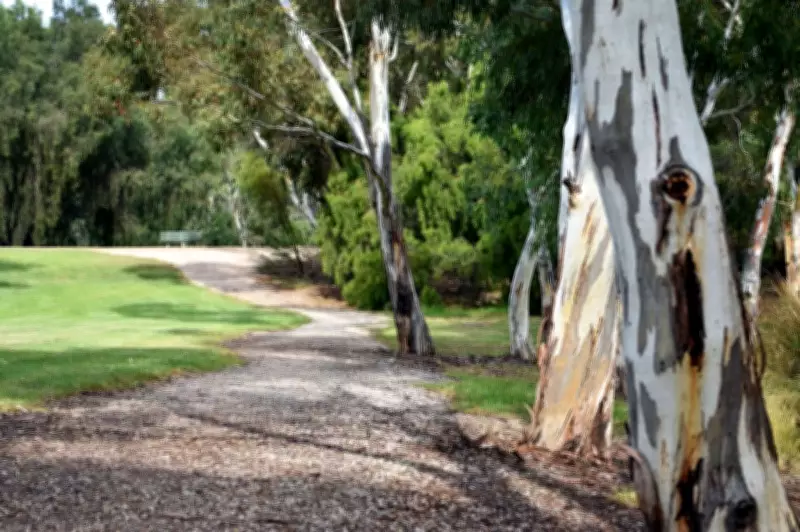
According to the Planning Minister, the rationale behind these changes is to address situations where tree plantings are deemed unsuitable or hazardous. He argues that communities should have the flexibility to manage their landscapes without being constrained by overly restrictive regulations. However, tree advocates counter that this could lead to widespread deforestation and negatively impact environmental health, particularly in areas like the Walpole Road Wetlands in Paralowie, which is managed by the City of Salisbury and serves as a crucial habitat for wildlife.

Reactions from Environmental Advocates
The tree advocate, who has been vocal in opposing the new rules, slammed the decision as a step backward for conservation efforts. They emphasize that river red gums, in particular, are not only culturally significant but also play a key role in supporting local flora and fauna. The advocate warns that allowing their removal could set a dangerous precedent, encouraging other municipalities and institutions to follow suit, thereby eroding tree protection measures across the region.
This development comes amid ongoing debates about balancing urban growth with environmental preservation. Critics argue that the rules prioritize development and convenience over sustainability, potentially leading to long-term ecological consequences. Supporters, on the other hand, believe it provides necessary flexibility for property management and safety improvements.
Implications for Future Tree Protection Policies
The changes are expected to have far-reaching effects, influencing how tree protection is handled in both public and private sectors. As Salisbury and private schools begin to exercise their new powers, monitoring and enforcement will be crucial to ensure that tree removal is conducted responsibly and with minimal environmental harm. The situation highlights the ongoing tension between development interests and conservation goals, a challenge that many communities face in managing their natural resources.
In summary, the new rules represent a significant shift in tree protection policies, granting increased authority to Salisbury and private schools while drawing criticism from environmental advocates. The outcome of this policy change will likely shape future discussions on tree management and conservation efforts in the area.