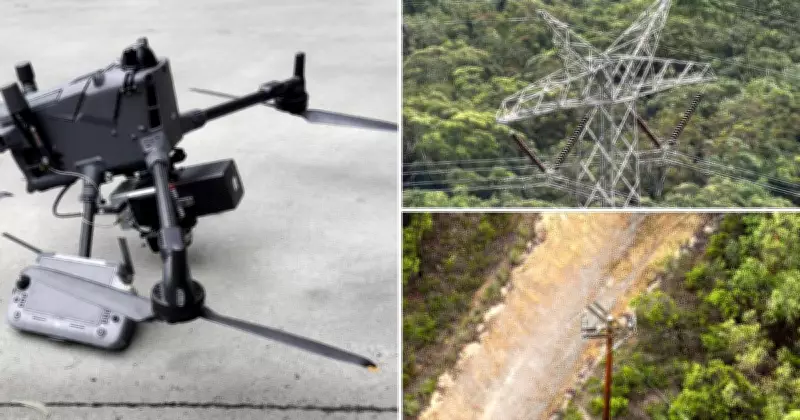
Ausgrid, the electricity distributor serving much of New South Wales, has announced the deployment of advanced drone technology to inspect power lines and reduce the risk of bushfires. The initiative, which leverages cutting-edge aerial surveillance, aims to enhance the safety and reliability of the electricity network while mitigating potential fire hazards.
How Drones Are Being Used
The drones are equipped with high-resolution cameras and thermal imaging sensors that can detect faults in power lines, such as frayed wires or damaged insulators, which could spark fires under dry conditions. By identifying these issues early, Ausgrid can schedule repairs before problems escalate, particularly during high-risk bushfire seasons.
According to Ausgrid, the drones can cover difficult-to-access terrain and inspect infrastructure more quickly than traditional ground-based methods. This not only improves efficiency but also reduces the need for workers to enter hazardous areas, enhancing overall safety.

Benefits of Drone Inspections
- Early Detection: Thermal imaging allows for the identification of hot spots that may indicate potential failures.
- Cost-Effective: Drones reduce the time and resources required for manual inspections.
- Safety: Minimises human exposure to dangerous environments, such as steep slopes or dense vegetation.
- Data Accuracy: High-resolution imagery provides detailed records for analysis and compliance.
Commitment to Bushfire Mitigation
Ausgrid's drone program is part of a broader strategy to reduce bushfire risks across its network. The company has invested significantly in asset management and vegetation control, including clearing trees and branches near power lines. The use of drones complements these efforts by providing a more comprehensive view of the network's condition.
Mark Mathieson, Ausgrid's Chief Operating Officer, stated: "Our priority is the safety of our customers and communities. By using drones, we can identify and address potential fire hazards more quickly and effectively than ever before."
Regulatory Compliance and Future Plans
The drone operations are conducted in accordance with Civil Aviation Safety Authority (CASA) regulations. Ausgrid plans to expand the program, potentially incorporating artificial intelligence to analyse imagery and predict maintenance needs.
The initiative has been welcomed by emergency services and local councils, who see it as a proactive step in bushfire preparedness. With climate change increasing the frequency and severity of bushfires, such technological innovations are becoming critical for infrastructure management.
Ausgrid's deployment of drones represents a significant advancement in the utility sector, setting a benchmark for other energy providers in Australia and beyond.