Bush Search Experts Share Vital Survival Strategies for Lost Hikers
Each year, approximately 50,000 missing persons reports are filed across Australia, with those who vanish in bushland facing particularly daunting odds of being found. When hikers lose their way on remote trails, dense vegetation often causes disorientation, and panic can drive them deeper into isolation within vast wilderness areas.
Specialised Volunteer Teams Mobilise for Remote Searches
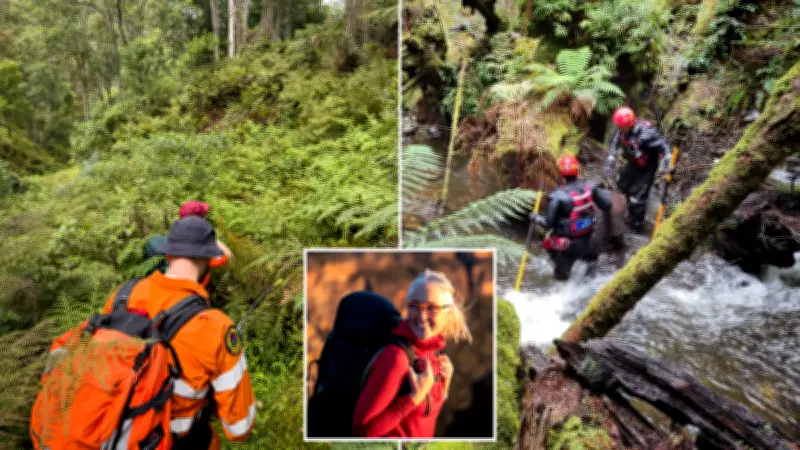
When police receive alerts about missing individuals in isolated regions stretching from west of Sydney to the South Australian border, they frequently enlist the support of around 60 dedicated volunteers from the NSW SES Bush Search and Rescue unit. Search manager Caro Ryan, who boasts over twenty years of experience with the team, now coordinates these complex operations that can span several days across expansive territories like the Blue Mountains—an area larger than Jamaica.
Ryan explains that many emergencies stem from simple inexperience or underestimating the risks of venturing into secluded areas. "If people become lost, they often exacerbate their situation by rushing around attempting to relocate the trail or determine their position, leading to poor decisions," Ryan told 7NEWS.com.au. "In that frantic state, they might also trip and sustain injuries."

Essential Calmness and Practical Steps When Lost
Ryan emphasises that the most effective response is to "sit, calm down, and ensure you have all necessary supplies for the day." She advises taking a substantial drink of water and having a snack to provide your body with the energy required for clear thinking. "A valuable technique is to check the time, set an alarm on your watch or phone, and decide, 'I will allow myself ten minutes to reorient. If I haven't found the track by then, I will stop.'"
Contacting emergency services via triple-0 is crucial, as they can often pinpoint a general location. However, if mobile reception is unavailable, conserve your phone's battery and use it judiciously to attract attention. Ryan notes that ascending to higher ground can assist search teams, but only if it can be done safely. "Avoid climbing dangerous cliffs to gain a vantage point, as that merely increases your risk," she cautions.
Preventative Measures and Visibility Techniques
Before embarking on any hike, leave a detailed itinerary with someone trustworthy, including your destination, planned route, and expected return time. This information enables prompt reporting and helps search teams focus their efforts. Carrying a personal locator beacon (PLB) or wearing brightly coloured clothing that contrasts with the environment significantly boosts detection chances.
During a recent Blue Mountains recovery mission, Ryan observed that a support helicopter could spot her team's orange uniforms even amidst thick bushland. Other methods to draw attention include:
- Using a phone flashlight at night
- Lighting a small, controlled fire
- Blowing a whistle repeatedly
"Making yourself visible, staying in one place, and managing your fear are your greatest tools for rational decision-making," Ryan asserts.
Psychological Profiling and Family Involvement
Even with vague location data, Ryan's team refines search areas by analysing the likely behaviour of lost individuals, considering factors like age, fitness level, and familiarity with the terrain. Meanwhile, friends and family play a critical role in enhancing survival prospects.
Clodagh Wylie, team leader at the Australian Federal Police's National Missing Persons Coordination Centre (NMPCC), stresses that people should act immediately if they suspect someone is in danger. "You do not need to wait 24 hours to report someone missing," Wylie explains. "The sooner a report is lodged, the quicker an investigation can commence." However, police will only pursue cases where there are genuine welfare concerns.

The NMPCC maintains a register of long-term missing persons—those unfound for over three months. Wylie notes that while adults constitute a higher proportion of long-term cases, youth account for many annual reports, though most are resolved quickly. "Anyone can go missing regardless of gender, age, ethnicity, or education," she reiterates. "Reasons range from misadventure or crime to voluntary disappearance or mental health issues." She urges anyone with information to contact Crime Stoppers or police, as even minor details could resolve cases and provide closure.
Volunteer Recognition and Environmental Stewardship
Ryan's extensive volunteer work and expertise earned her an Order of Australia Medal this Australia Day. "The OAM is quite overwhelming, but if it amplifies advocacy efforts to disseminate these safety messages, that's what truly matters," she reflects. "We cherish these natural spaces and are mindful of environmental sustainability. To enter these same areas as volunteers, assisting someone possibly enduring their worst day, is profoundly rewarding. It allows us to give back to the wilderness that has given us so much."