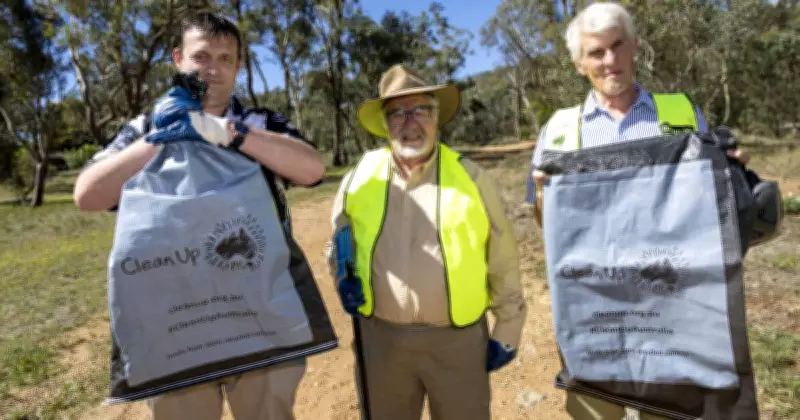
From Annual Event to Everyday Habit: Rethinking Clean Up Australia Day
Clean Up Australia Day, a long-standing national initiative, is being reimagined by environmental advocates and community leaders as more than just a once-a-year event. Instead, they propose transforming it into a continuous, sustainable lifestyle movement that integrates waste reduction and environmental stewardship into daily routines across the country.
The Call for a Lifestyle Shift
Traditionally held annually, Clean Up Australia Day mobilizes thousands of volunteers to collect litter from parks, beaches, and public spaces. However, experts argue that this approach, while valuable, may limit its long-term impact. By encouraging Australians to adopt cleaner habits year-round, the initiative could foster deeper behavioral changes and reduce waste at its source, rather than merely addressing the symptoms.
Key proponents emphasize that a lifestyle-focused model would involve:

- Incorporating waste reduction practices into everyday activities, such as shopping, commuting, and home management.
- Promoting community-based programs that support ongoing clean-up efforts and environmental education.
- Leveraging digital tools and social media to track progress and engage a broader audience beyond the annual event.
Benefits of a Sustainable Approach
Adopting Clean Up Australia Day as a lifestyle offers numerous advantages. It can lead to significant reductions in plastic pollution and litter, improve local ecosystems, and enhance public health. Moreover, it empowers individuals and communities to take ownership of their environments, fostering a sense of pride and responsibility.
Environmental scientists note that consistent, small actions—like using reusable bags or participating in local clean-ups—can cumulatively have a major impact on Australia's natural landscapes.
Challenges and Opportunities
Transitioning to a lifestyle model presents challenges, such as maintaining public interest and securing ongoing funding. However, opportunities abound, including partnerships with businesses, schools, and government agencies to promote sustainable practices. Success stories from communities that have already embraced year-round initiatives highlight the potential for scalability and national adoption.
Ultimately, the goal is to make environmental care an integral part of Australian culture, ensuring that Clean Up Australia Day evolves from a memorable event into a lasting legacy of sustainability.