The Deadly Allure of Babinda Boulders
At the picturesque Babinda Boulders in Far North Queensland, an irresistible yet deadly phenomenon continues to claim lives. Twenty-one people have drowned at this popular swimming spot since records began in 1916, with the most recent tragedy occurring in 2024 when a foreign tourist lost his life in the swirling waters.
A Natural Death Trap
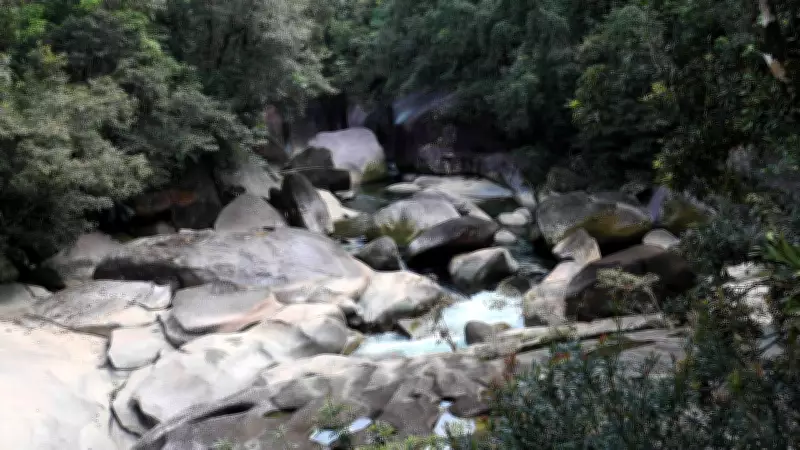
The Devil's Pool section of Babinda Creek has been declared off-limits to swimmers by Cairns Regional Council, but warnings are repeatedly ignored. The dangerous flow of water over the creek's rocks creates lethal rapids that have earned grim nicknames like "the washing machine" and "the chute."
If you fall or jump into these waters, where strong currents sweep into rock gardens and underground caverns, survival is unlikely. The force can trap swimmers like eels in a cylinder trap—unable to move forward because of rocks and unable to go backward because of current.

The Science of Drowning
Recovery operations reveal the brutal reality of these drownings. Bodies can take days to resurface, often bloated beyond recognition by anaerobic gases. Divers searching for victims face their own dangers, entering a world where fast water can pin them against rocks.
Former Babinda SES member Dulcie Schnitzerling described how bodies become "jammed under logs or rocks" and sometimes spin "around like they are in a washing machine." In one particularly gruesome recovery, rescuers had to amputate a leg to retrieve a corpse wedged tightly under a log.
Case Study: James Bennett's Tragedy
The 2008 drowning of 23-year-old naval seaman James Andrew Bennett illustrates how quickly these waters turn deadly. On a hot November Sunday, Bennett was swimming in calmer water when an invisible force pulled him backward toward white water.
"His friend told Coroner Kevin Priestly that Bennett reached up to grab a branch, which snapped. Moments later, his head went under," the report states. Fingertips clawed at the surface before disappearing into the chambers below. His body floated to the surface three days later.
The Psychology of Risk
Why do people continue to ignore clear warnings? Experts point to what's known as the "call of the void"—that irresistible urge some feel when standing at the edge of danger. Combined with youthful bravado and sometimes alcohol, this psychological phenomenon overrides safety instincts.
Former Babinda SES member Don Lawie noted that "it's always brave young men, good young men, who die doing these silly things." The vast majority of victims have indeed been young males.
Environmental Dangers
Babinda receives over 4000mm of rain annually, making it one of Queensland's wettest towns. The creek's appearance can be deceiving—even when water levels seem low, currents remain strong enough to suck people, especially children, into rock tunnels.
Flash flooding presents another invisible threat. While skies might be clear at the boulders, heavy rain in the headwaters of Babinda Creek can create "a wall of death as silent as a human pulse" that arrives without warning.
Myth Versus Reality
Local legend speaks of an Aboriginal temptress whose song lures young men to their deaths, but many believe this story was invented by Babinda businessmen during a Chamber of Commerce meeting. The real dangers are physical, not supernatural: unpredictable currents, hidden caverns, and sudden flooding.
Despite authorities declaring the rock garden area a no-go zone after Bennett's death, and despite council warning signs and countless tragic stories, people continue to be drawn to the frothing green water that dances in sunlight under a jungle canopy.
The Babinda Boulders remain both breathtakingly beautiful and lethally dangerous—a combination that continues to prove irresistible to some, with potentially fatal consequences.