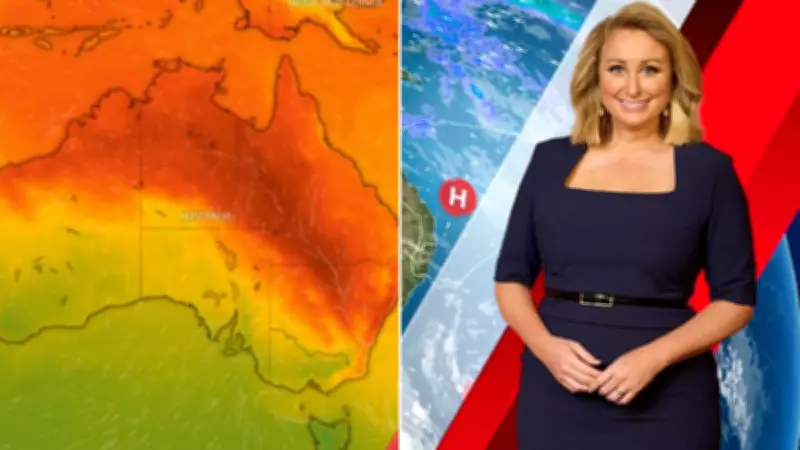
There is nothing quite like a refreshing cool change after a swelteringly hot day. The temperature swiftly drops, allowing you to open all the doors and windows to flush out the accumulated heat from your home. In Melbourne and along Victoria's coastline, these changes can be particularly dramatic and intense.
Understanding the Mechanics of Cool Changes
Heat builds as temperatures soar in gusty northerly winds, often reaching up to 40 degrees Celsius. Then, in an instant, the mercury can plummet to just 18 degrees as the wind direction shifts to a gusty southwesterly. This sudden transition is a hallmark of Australia's variable climate.
Regional Variations in Weather Patterns
In Victoria, northerly winds frequently carry topsoil from the Mallee region and surrounding areas in the state's northwest. This can blanket everything in a layer of red dust, creating hazy and challenging conditions. The change often brings hit-and-miss thunderstorms, accompanied by ferocious winds, flash flooding, and hail. Eventually, everything quietens down as the cold front responsible for this spectacular weather shift moves on.

One such memorable event occurred back in 1983, when Melbourne was engulfed by a massive wall of dust, illustrating the power of these natural phenomena.
Sydney's Unique Southerly Buster
In Sydney and along the New South Wales coast, the cool change manifests a little differently. Heat accumulates thanks to hot westerly winds, which blow dry air from the desert towards the coast. Then, the wind suddenly turns southerly, dropping temperatures and altering the air's feel as humidity from the ocean returns.
Many residents recall standing on streets like Victoria Street in Potts Point, watching as the change swept towards them, often cowering as a wall of debris from leaves thundered through. Sydney has coined a great name for these events: the Southerly Buster.
Perth's Fremantle Doctor
Perth also boasts a distinctive name for its special cool change. Here, it is a westerly wind that cools things down as air blows in from the ocean. Known as the Fremantle Doctor, it arrives fairly reliably on hot afternoons, except when a stubborn trough sits just off the coast, blocking this refreshing change.
Inland Experiences and Fire Dangers
If you are inland, you might still experience dust and storms, but the wind change is usually a little less dramatic, with less energy from the ocean to whip up the transition. Nevertheless, relief is still welcome, especially if the heat has persisted day and night for an extended period.
The Dual Nature of Wind Changes During Bushfires
When hot and dry winds lead to Extreme or even Catastrophic fire danger on Total Fire Ban days, and fires have ignited, the wind change that brings temperature relief to many can be both a concern and a blessing. Fires travel in the direction of the prevailing wind, and with that sudden flick in wind direction, the fire changes course too.
Sometimes, this shift arrives just in time to save lives and property; other times, it is too late. Additionally, a whole new area may now lie in front of the firestorm. In a northerly wind, the fire pushes towards the south, advancing quickly if winds are strong and gusty. Once those winds turn southwesterly, the fire's new path heads northeast, putting fresh areas at the mercy of unrelenting flames.
Fires can even create their own thunderstorms, adding another layer of concern to an already dangerous situation.
Conclusion: A Land of Contrasts
Australia is famously a land of drought and flooding rains. Sometimes, that wind change can bring a deluge, providing not just a cool respite but also relief from soaking rain. These dramatic weather shifts are a testament to the country's dynamic and often unpredictable climate, offering both challenges and moments of relief to its inhabitants.