Cyclone Narelle Severely Disrupts Critical Supply Routes to Remote Cape York
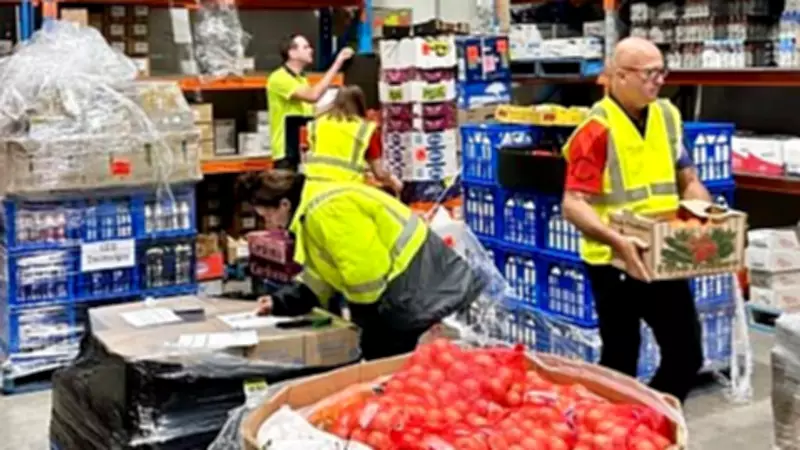
Tropical Cyclone Narelle has unleashed significant disruptions across the supply chain serving the isolated communities of Cape York in Far North Queensland. The powerful weather system has created hazardous conditions that are severely impeding the delivery of essential goods, including vital food supplies, fuel, and medical resources. Remote towns and settlements are now facing extended waits for these incoming essentials, as transport operators navigate the treacherous aftermath of the cyclone.
Logistical Challenges Intensify for Transport Operators
The impact of Cyclone Narelle on infrastructure has been profound, with key roads and access routes experiencing damage or temporary closures. This has forced logistics companies to implement contingency plans, often involving delays and rerouting to ensure safety. The situation is particularly critical for communities that rely heavily on regular shipments for their daily needs, as stockpiles are dwindling under the strain of the disrupted supply lines.
Local authorities have issued warnings about potential shortages, urging residents to conserve resources where possible. Emergency services are on high alert, coordinating efforts to assess the full extent of the damage and prioritize the restoration of supply routes. The cyclone's lingering effects, including heavy rainfall and strong winds, continue to pose risks to recovery operations.

Communities Brace for Extended Delays in Essential Deliveries
In the wake of Cyclone Narelle, residents in Cape York's most remote areas are preparing for prolonged periods without regular access to necessities. Many of these communities are already geographically isolated, making them especially vulnerable to supply chain interruptions. The delays are affecting not only household items but also critical services, such as healthcare provisions and fuel for generators and vehicles.
Community leaders have expressed concern over the potential for extended isolation if supply routes are not restored promptly. They are calling for increased support from state and federal agencies to expedite relief efforts and ensure that essential goods reach those in need as quickly as possible. The situation underscores the broader challenges of maintaining reliable supply chains in disaster-prone regions.
Response Efforts Underway Amid Ongoing Weather Threats
Emergency response teams are actively working to mitigate the impacts of Cyclone Narelle on Cape York's supply chain. Efforts include:
- Conducting aerial assessments of damaged infrastructure
- Coordinating with transport providers to resume deliveries safely
- Distributing emergency supplies to the most affected areas
However, ongoing weather conditions are complicating these efforts, with forecasts predicting further rainfall and potential flooding. Authorities emphasize that safety remains the top priority, which may result in additional delays as they wait for conditions to improve before fully reopening routes.
The disruption caused by Cyclone Narelle highlights the importance of resilient supply chain planning in remote regions. As communities await the arrival of essential goods, the focus remains on swift and effective recovery to restore normalcy and prevent long-term shortages.