Cyclone Narelle Brings Severe Weather to Western Australia After Northern Territory Impact
Tropical Cyclone Narelle has made landfall on the Northern Territory coast, unleashing powerful winds and torrential rain, with the storm system now set to affect Western Australia. The cyclone, which crossed as a category three system on Sunday morning, is expected to bring continued hazardous conditions as it moves westward.
Initial Impact and Current Status
Narelle struck the remote settlement of Gove, approximately 1000 kilometers east of Darwin, with wind gusts reaching up to 165 kilometers per hour and dumping around 120 millimeters of rain. According to Bureau of Meteorology forecaster Jonathan How, the cyclone is weakening over land and is projected to drop below cyclone strength later on Sunday. However, it will still produce heavy rainfall and strong winds across the Top End region as it tracks toward the west.
Forecast for Western Australia
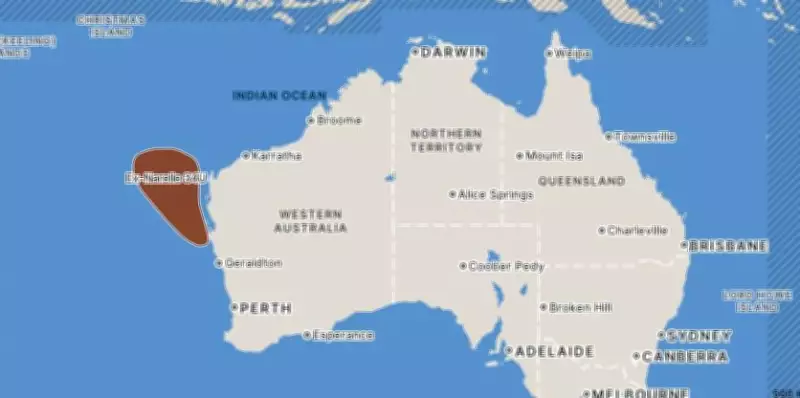
As Narelle transitions into a tropical low, it is likely to bring stormy weather to Western Australia, with even Perth facing a chance of rain later in the week. Forecasters have not ruled out the possibility of the cyclone reforming over warm waters, which could intensify conditions. By Tuesday, the system may emerge north of Broome, bringing gale-force winds and additional heavy precipitation.

Warnings and Support Measures
In response to the impending weather, flood advice warnings have been issued for residents in the north Kimberley area near the Northern Territory border. Meanwhile, additional disaster support has been activated for affected individuals in the Northern Territory. Personal Hardship Payments are available to those impacted by the cyclone and subsequent flooding, as announced by Northern Territory Chief Minister Lia Finocchiaro. She emphasized that these measures aim to provide crucial support and aid families during the recovery phase.
Safety Recommendations
Authorities urge residents in affected regions to stay informed by monitoring updates from Emergency WA or downloading the Emergency WA app. Keeping abreast of the latest developments is essential for ensuring safety and preparedness as the weather system evolves.