Cyclone Narelle Intensifies Off Far North Queensland Coast
Cyclone Narelle is rapidly intensifying as it approaches the Far North Queensland coast, with authorities issuing severe weather warnings and urging residents to prepare for potential impacts. The tropical cyclone, currently located offshore, is expected to bring destructive winds, heavy rainfall, and dangerous storm surges to coastal communities in the coming days.
Emergency Services on High Alert
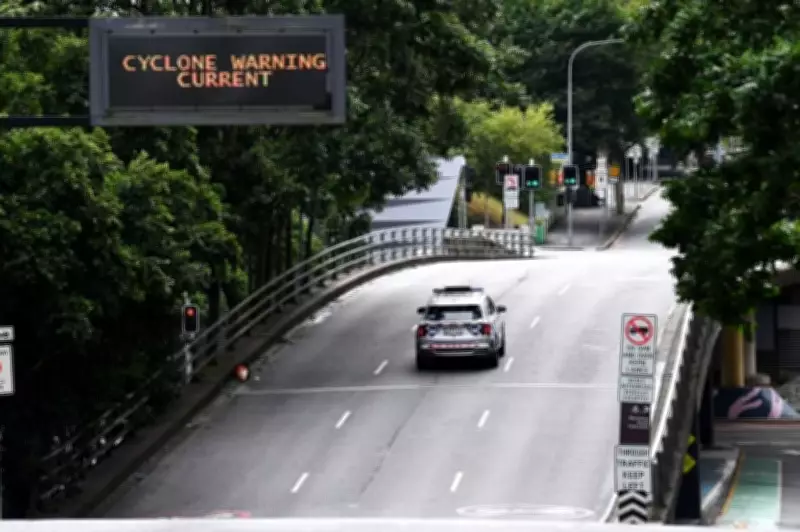
Emergency services across Far North Queensland are on high alert, with teams mobilising to assist residents and monitor the situation closely. The Bureau of Meteorology has upgraded its warnings, indicating that Cyclone Narelle could reach category three strength, posing a significant threat to life and property. Residents in low-lying areas are advised to consider evacuating if directed by local authorities.
"We are taking this cyclone very seriously," said a spokesperson for the Queensland Fire and Emergency Services. "Our priority is ensuring the safety of all communities in the path of Cyclone Narelle. We urge everyone to follow official advice and prepare their homes and families immediately."

Potential Impacts and Preparations
The potential impacts of Cyclone Narelle include:
- Destructive winds exceeding 120 kilometres per hour, capable of causing structural damage and power outages.
- Heavy rainfall leading to flash flooding in inland and coastal regions, with some areas expecting over 300 millimetres.
- Dangerous storm surges that could inundate coastal areas, particularly during high tides.
Local councils have activated emergency response plans, setting up evacuation centres and distributing sandbags to residents. Schools and businesses in the region are advised to close as a precaution, with transport services likely to be disrupted. The Queensland Government has assured that resources are in place to support recovery efforts post-cyclone.
Historical Context and Climate Factors
Cyclone Narelle follows a pattern of increased tropical cyclone activity in the region, linked to broader climate trends such as La Niña conditions. Historically, Far North Queensland has experienced several severe cyclones, including Cyclone Yasi in 2011, which caused widespread devastation. Experts note that while cyclones are a natural part of Australia's weather, climate change may be influencing their intensity and frequency.
Residents are reminded to stay informed through official channels, such as the Bureau of Meteorology and local emergency services, and to have emergency kits ready. The situation remains fluid, with updates expected as Cyclone Narelle moves closer to the coast.