Record Summer for Mid West and Gascoyne After Heatwaves and Storm
The Gascoyne region has shattered weather records this summer, marked by an unusually hot January and an early tropical storm, with Shark Bay breaking three significant records. This extreme weather pattern has left a lasting impact on the area, from soaring temperatures to agricultural devastation.
Unprecedented Heatwaves Set New Benchmarks
During a severe heatwave at the end of January, Shark Bay and Carnarvon both recorded their hottest January days in history. The Shark Bay airport station registered a blistering 49.2°C on January 20, the highest January temperature since records began at that site two decades ago. Additionally, Shark Bay experienced the highest minimum temperature for January, with a sweltering 28.9°C on January 21, adding to the region's thermal extremes.
Carnarvon airport, with 81 years of data, also saw its hottest January day during the same heatwave, reaching 47.9°C on January 21. Geraldton peaked at 47.1°C on January 20, making it the city's hottest temperature of the month during a three-day stretch above 40°C. This temperature tied for the fourth hottest January day and eighth hottest overall in Geraldton's records. Despite these record highs, Geraldton's mean summer temperature of 32.8°C was the lowest in three years, highlighting the variability in seasonal averages.

Storm Damage Compounds Agricultural Woes
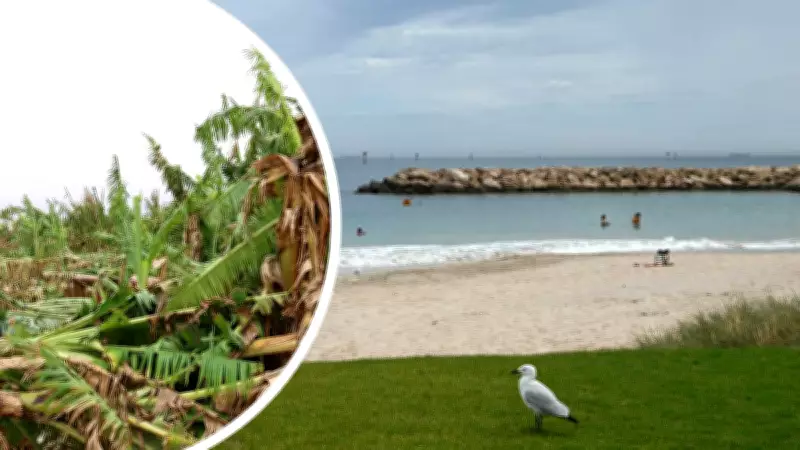
The record temperatures were not just uncomfortably hot; they inflicted substantial damage on fruit crops in the Gascoyne. Some growers estimate that recovery could take over a year due to the heat stress. Compounding this, ex-tropical Cyclone Mitchell made landfall the following month, and even in its downgraded state, it caused further havoc by toppling large banana plants and blowing fruit off trees. Estimates suggest up to 50 percent of crops were damaged by the storm.
Shark Bay recorded 103.6mm of rain during the storm on February 10, setting a new February rainfall record for the station, surpassing the previous high of 96.6mm on February 5, 2021, which had caused the Gascoyne River to flood. This early tropical storm added to the summer's extreme weather events, disrupting normal patterns and exacerbating agricultural losses.
Ongoing Heat Patterns and Regional Impacts
With summer officially over, Geraldton still experienced a four-day hot spell last week, from Wednesday to Saturday, with temperatures peaking at 42.3°C, 42°C, 40.1°C, and 39.9°C. According to the Bureau of Meteorology, the Central West has endured seven heatwaves since October, while the Gascoyne region has faced a staggering 17 heatwaves. The bureau defines heatwaves as unusually hot temperatures lasting three days or longer, underscoring the persistent and severe nature of this summer's weather.
This record-breaking summer in the Mid West and Gascoyne underscores the increasing frequency and intensity of extreme weather events, with significant implications for local communities, agriculture, and future climate resilience efforts.