Super El Niño Forecast to Bring Extreme Weather to Australia in 2026
Climate scientists are issuing urgent warnings as a super El Niño event is predicted to hit Australia in 2026, potentially causing severe heatwaves, prolonged droughts, and increased bushfire risks. This phenomenon, characterized by unusually warm ocean temperatures in the Pacific, is expected to have far-reaching impacts on the nation's environment and communities.
Understanding the Super El Niño Phenomenon
El Niño is a natural climate pattern that occurs periodically, but a super El Niño represents an intensified version with more extreme effects. Experts explain that this event involves significant warming of the central and eastern Pacific Ocean, which disrupts normal weather patterns globally. For Australia, this typically means hotter and drier conditions, especially in the eastern and southern regions.
Key indicators suggest that the 2026 super El Niño could be one of the strongest on record, based on current climate models and historical data. Researchers are closely monitoring sea surface temperatures and atmospheric pressure changes to refine their predictions.

Potential Impacts on Australian Regions
The anticipated super El Niño is likely to exacerbate existing climate challenges across Australia. Here are some of the major concerns:
- Severe Heatwaves: Extended periods of extreme heat could pose health risks, strain energy grids, and affect agriculture.
- Prolonged Droughts: Reduced rainfall may lead to water shortages, impacting farmers, urban water supplies, and ecosystems.
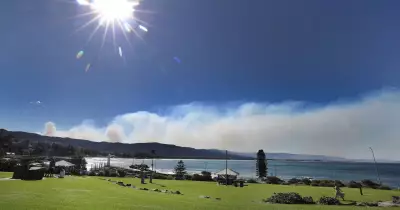
- Increased Bushfire Danger: Drier conditions and higher temperatures could elevate the risk of intense and widespread bushfires.
- Agricultural Disruption: Crop yields and livestock production might suffer, affecting food security and the economy.
Coastal areas might also experience changes in marine life due to altered ocean currents, while northern regions could see shifts in monsoon patterns.
Expert Warnings and Preparedness Measures
Climate experts are urging governments and communities to prepare for the potential impacts of the super El Niño. Early action is crucial to mitigate risks and enhance resilience, according to leading meteorologists and environmental scientists.
Recommendations include improving water management systems, updating bushfire response plans, and implementing heatwave preparedness strategies. Public awareness campaigns are also being considered to inform residents about safety measures during extreme weather events.
While El Niño is a natural occurrence, scientists note that climate change may be intensifying its effects, making events like the predicted 2026 super El Niño more severe. Ongoing research aims to better understand this interaction and improve forecasting accuracy.
As the 2026 super El Niño approaches, stakeholders across Australia are being called upon to collaborate on adaptation efforts, ensuring that the nation is better equipped to handle the challenges ahead.