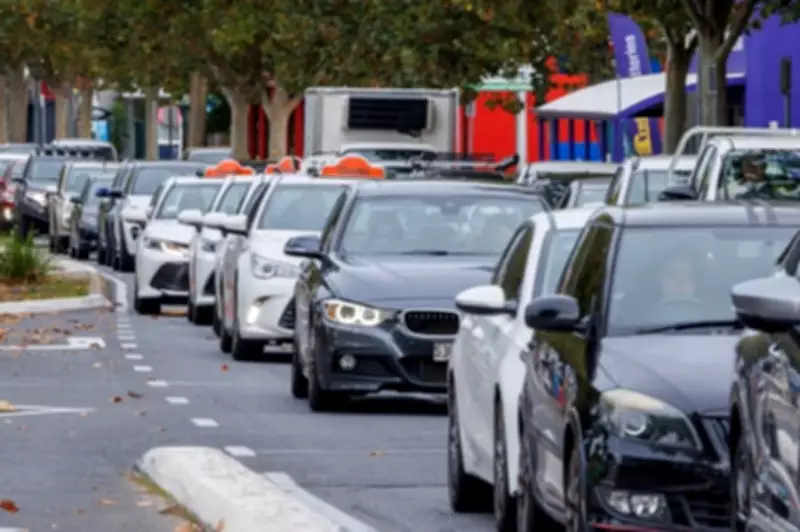
Adelaide's Car Dependency Exposed as Fuel Shortage Concerns Mount
Adelaide's deep-seated reliance on private vehicles is emerging as a significant weakness in the face of mounting fears over potential fuel shortages. This dependency, long ingrained in the city's transport culture, is now being scrutinised as a critical vulnerability that could disrupt daily life and economic activity if fuel supplies are compromised.
The Growing Threat of Fuel Supply Disruptions
Recent global events and domestic supply chain pressures have heightened concerns about fuel availability across Australia. In Adelaide, where car ownership rates are among the highest in the nation, these fears are particularly acute. Experts warn that any disruption to fuel supplies could quickly paralyse the city, given that over 80% of commuters rely on private cars for their daily travel.
The city's urban sprawl and limited public transport options have fostered this car-centric lifestyle. Unlike other major Australian cities with more extensive rail or bus networks, Adelaide's transport infrastructure has historically prioritised road-based solutions, leaving residents with few alternatives when driving is not feasible.

Economic and Social Impacts of Car Reliance
The economic ramifications of Adelaide's car dependency are substantial. Local businesses, especially those in outer suburbs, depend heavily on customers and employees who drive. A fuel shortage could lead to widespread absenteeism, reduced consumer spending, and supply chain bottlenecks, potentially costing the state economy millions of dollars per day.
Socially, the reliance on cars exacerbates issues such as traffic congestion, air pollution, and social isolation for those unable to drive, including the elderly and low-income residents. During a fuel crisis, these groups would be disproportionately affected, struggling to access essential services like healthcare, education, and groceries.
Calls for Urgent Transport Reform
In response to these vulnerabilities, transport advocates and urban planners are urging immediate action to diversify Adelaide's mobility options. Key recommendations include:
- Expanding the city's public transport network, particularly in underserved suburban areas.
- Investing in cycling and walking infrastructure to promote active transport.
- Encouraging the adoption of electric vehicles and supporting charging infrastructure.
- Implementing policies to reduce urban sprawl and encourage higher-density living near transport hubs.
These measures aim not only to mitigate the risks of fuel shortages but also to create a more sustainable and resilient transport system for the future. Some experts suggest that Adelaide could look to cities like Copenhagen or Vancouver, which have successfully reduced car dependency through integrated planning and investment in alternatives.
Government and Community Response
Local and state governments have acknowledged the issue, with recent initiatives focusing on improving public transport reliability and promoting electric vehicles. However, critics argue that progress has been too slow, and more ambitious targets are needed to address the root causes of car reliance.
Community groups are also stepping up, organising campaigns to raise awareness about the benefits of reduced car use and lobbying for better transport options. Public sentiment appears to be shifting, with growing support for measures that prioritise sustainability and resilience over convenience.
As fuel shortage fears persist, Adelaide's car dependency serves as a stark reminder of the need for proactive urban planning. By addressing this weakness now, the city can build a more adaptable transport system that safeguards against future crises while enhancing quality of life for all residents.