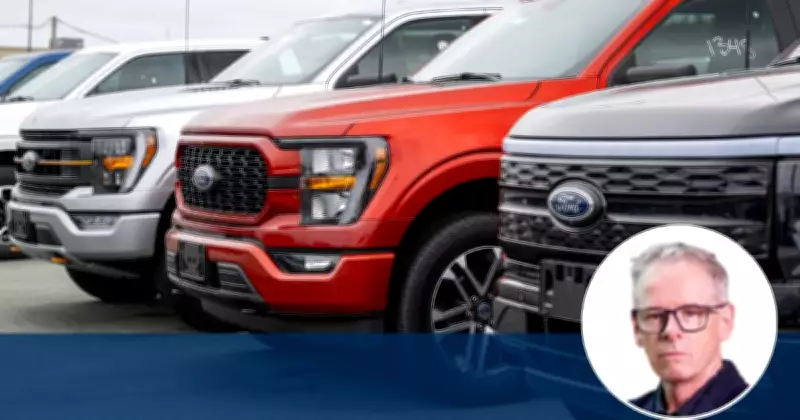
Australians Defy Fuel Price Surge by Choosing Bigger Cars
In a surprising trend, Australians are increasingly opting for larger vehicles such as SUVs and utes, despite fuel prices reaching record levels across the nation. This shift, highlighted in recent analysis, underscores a growing preference for spacious and powerful cars over fuel-efficient alternatives, driven by factors like lifestyle demands and perceived safety benefits.
Record Fuel Costs Fail to Deter SUV and Ute Purchases
Fuel prices have soared to unprecedented highs in recent months, with many regions experiencing significant spikes at the pump. However, this has not slowed the demand for larger vehicles. Data indicates that sales of SUVs and utes continue to climb, accounting for a substantial portion of new car registrations. This trend suggests that many Australians prioritize vehicle size and utility over fuel economy, even as operating costs rise sharply.
Factors Driving the Preference for Larger Vehicles
Several key factors contribute to this preference for larger cars. First, lifestyle needs play a crucial role, with many families and outdoor enthusiasts seeking vehicles that offer ample space for passengers, cargo, and recreational equipment. Second, safety perceptions are a major influence, as larger vehicles are often viewed as more protective in collisions. Additionally, the growing popularity of remote work and regional travel has increased the appeal of robust cars capable of handling diverse terrains.

Industry experts note that this trend reflects broader changes in consumer behavior, where convenience and functionality often outweigh economic considerations. The rise of hybrid and electric options in the larger vehicle segment may also mitigate fuel cost concerns for some buyers, though traditional petrol models remain dominant.
Implications for the Automotive Market and Environment
The shift towards larger vehicles has significant implications for the automotive market and environmental sustainability. On one hand, it boosts sales for manufacturers specializing in SUVs and utes, driving innovation in this segment. On the other hand, it raises concerns about increased fuel consumption and higher carbon emissions, potentially hindering efforts to reduce Australia's environmental footprint.
Policymakers and environmental advocates are calling for greater awareness and incentives to promote fuel-efficient and electric vehicles, but consumer preferences continue to favor size and power. This dynamic highlights the complex balance between economic pressures, lifestyle choices, and environmental goals in the transportation sector.
As fuel prices remain volatile, it remains to be seen whether this trend will persist or if rising costs will eventually steer Australians towards smaller, more economical cars. For now, the data clearly shows that larger vehicles are holding strong in the market, defying expectations amid record fuel expenses.