Navigating Car Warranties and Consumer Protections in Australia
Purchasing a new vehicle often includes attractive benefits such as extended manufacturers' warranties, capped-price servicing, and roadside assistance. However, a common misconception persists that maintaining warranty coverage necessitates servicing at brand dealerships. In reality, Australian Consumer Law ensures robust protections for car owners, regardless of where they choose to have their vehicle serviced.
Clarifying Warranty Confusion
Stuart Charity, chief of the Australian Automotive Aftermarket Association, highlights ongoing confusion among new car buyers regarding the distinctions between manufacturer warranties, extended warranties, and automatic rights under consumer law. This issue has been addressed in the Australian Competition and Consumer Commission's compliance priorities for 2026–27, focusing on consumer guarantees in motor vehicle sales.
"Consumers are often misled into believing their rights expire with a manufacturer's warranty or that dealership servicing is mandatory to protect coverage," Mr Charity explains. "This is incorrect under Australian Consumer Law, which provides automatic guarantees that cannot be overridden by contracts or warranty terms."

Key Provisions of Australian Consumer Law
Under these legal frameworks, consumer guarantees apply for a reasonable period and require vehicles to meet specific standards:
- Vehicles must be of acceptable quality, including safety, durability, and freedom from defects.
- They must be fit for any disclosed purpose and match descriptions or demonstration models.
- Spare parts and repair facilities must be reasonably available.
For major problems, consumers can choose a refund or replacement, while non-major issues may entitle them to repairs. Importantly, manufacturer warranties are additional promises that do not replace these fundamental rights.
Independent Servicing and Consumer Rights
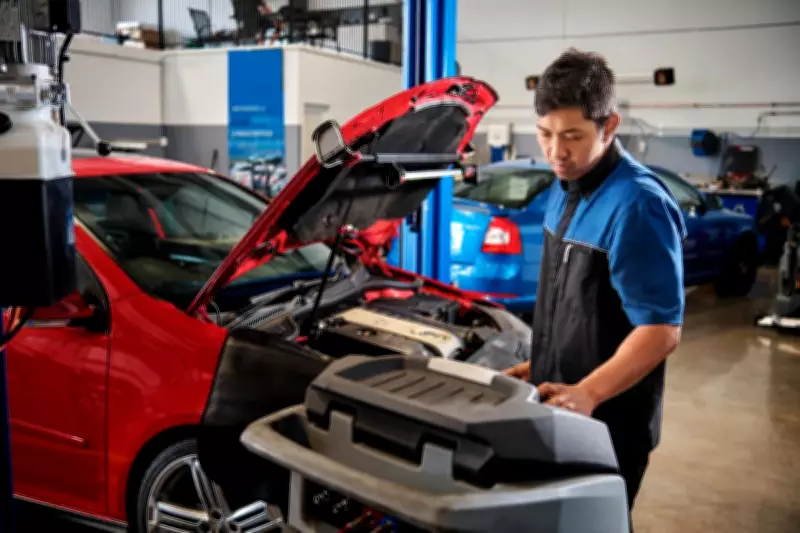
The AAAA emphasizes that consumer guarantees remain intact even when vehicles are serviced or repaired by qualified independent technicians. Research indicates that 40% of new car owners mistakenly believe they must return to dealers for warranty maintenance, 40% correctly understand they can use independent repairers, and 20% are uncertain.
"This confusion affects up to 60% of owners, posing both competition and consumer issues," Mr Charity notes. The association urges vehicle sellers and manufacturers to provide clear, non-misleading communications, especially regarding extended warranties with restrictive conditions like tied repairer arrangements.
Legal Implications and Compliance
Manufacturers offering extended warranties conditional on dealership servicing must file an "exclusive dealer notification" with the ACCC, as seen with companies like Hyundai and Mitsubishi. Australian Consumer Law prohibits misleading statements about voiding rights through independent servicing, and the Competition and Consumer Act may deem such requirements anti-competitive.
The ACCC's guide to motor vehicle sales clarifies that consumers are free to choose independent repairers, though defects caused by them may not be covered by manufacturer warranties. Service providers must guarantee that services are fit for purpose and meet expected standards, with dealer responsibilities under the ACL unchanged by warranties.
Notably, dealers cannot refuse to address major failures, such as undriveable vehicles, simply because they occur after warranty expiration. If a manufacturing defect is involved, consumers retain the right to request repairs, refunds, or replacements under Australian Consumer Law.