Australian Drivers Flock to Fuel Stations Amid Middle East Conflict Price Fears
Across Australia, drivers are rushing to service stations to fill their tanks, driven by fears that fuel supplies could dry up and prices skyrocket due to the escalating conflict in the Middle East. However, experts warn the true impact on household budgets may still be up to 10 days away.
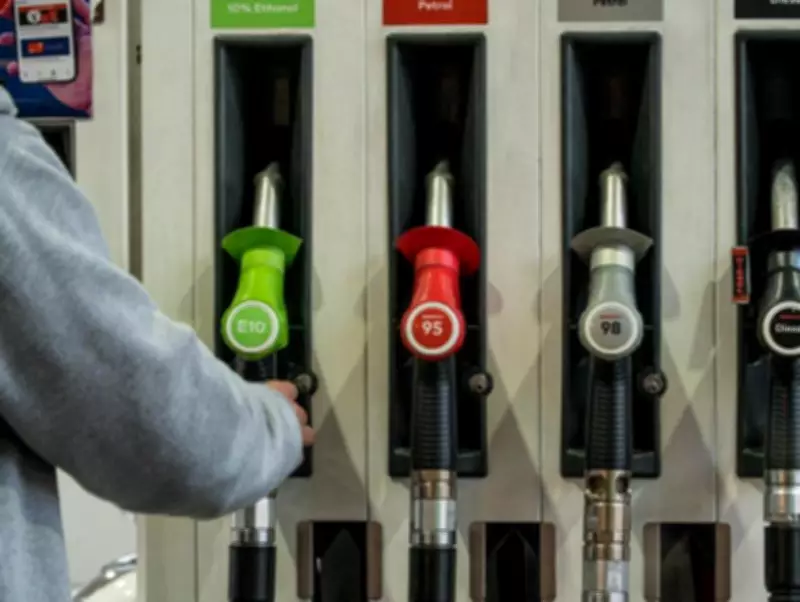
Pumps are working overtime as queues form at stations nationwide, with motorists seeking to beat anticipated price surges linked to the war between Israel and Iran. In Melbourne, drivers were bumper-to-bumper at Malvern, some bringing jerry cans for extra supply, while Costco in Ardeer ran out of 91 and 98 octane fuel overnight due to high demand at $1.56 per litre.
Australia's Low Petrol Reserves Fuel Anxiety
The anxiety is compounded by Australia's critically low petrol reserves. According to the International Energy Agency, the country should maintain 90 days' supply, but currently has only 36 days of petrol and 34 days of diesel. This vulnerability is heightened by Iran's blockade of the Strait of Hormuz, a key chokepoint handling 20% of the world's oil, threatening to set fire to any ship attempting passage, which could disrupt Australia's access to refilling reserves.

The Strait of Hormuz, a critical gateway in the Gulf, is now crowded with cruise and cargo vessels as regional tensions escalate, further straining global oil logistics.
Regulatory Oversight and Price Monitoring
The Australian Competition and Consumer Commission (ACCC) has been tasked with monitoring fuel prices to prevent retailers from unfairly hiking costs. Peter Khoury of the NRMA emphasized, "What is happening overseas takes about seven to 10 days to flow onto the Australian market. We should not see sudden increases in prices at the bowser; it will take time to flow on. If service stations do start increasing their prices dramatically, that is unacceptable."
Experts advise against panic, noting only a mild 10% increase in global oil prices so far. Peter Nattrass of the RAA recommended, "The best strategy for motorists is to make sure that you're getting petrol at the lowest price that's in the market on the day, at the time that you're looking for it."
Current Fuel Prices and Market Trends
Data shows the national average for unleaded petrol over the past week is $1.83 per litre, with prices rising by 8%. Regional variations include:
- Northern Territory: $2.25 (most expensive)
- Queensland and Victoria: $1.88
- Western Australia: $1.66 (cheapest)
Some retailers in Sydney, Melbourne, and Brisbane are selling E10 petrol for over $2 a litre, with diesel prices even higher in certain areas. Wholesale prices have increased by four cents per litre for petrol and three cents for diesel, likely to be passed on to consumers.
Economic Outlook and Speculation
Despite fears, the conflict has not yet caused oil prices to skyrocket. Shane Oliver, AMP chief economist, noted, "So far we haven't seen the horror scenarios where it surges through $100 a barrel yet, but that may still happen. I think there was general panic expected, and we didn't see that so far in oil markets and share markets."
Speculation suggests prices could peak at $2.40 per litre in some states once the conflict's impacts fully reach Australia, but current conditions remain stable with cautious monitoring advised.