Australian Motorists Face Soaring Petrol Prices as Global Oil Markets React to Middle East Tensions
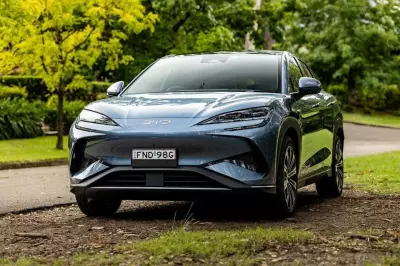
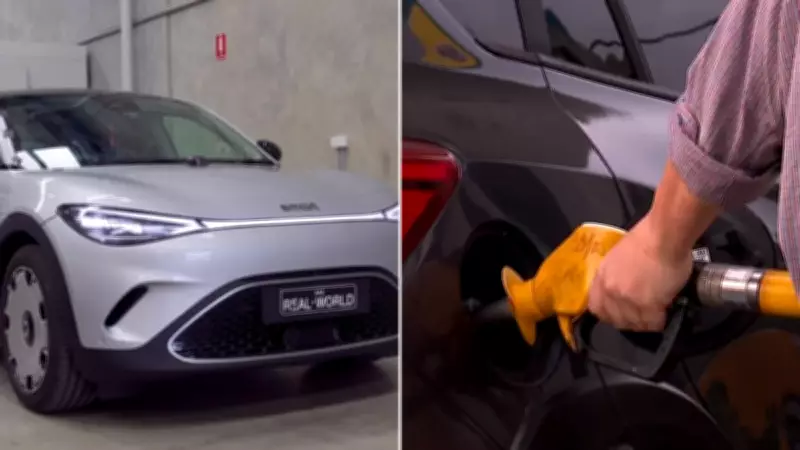
Australians are being urged to prepare for significant increases in petrol prices, as escalating conflicts in the Middle East send shockwaves through international oil markets. This situation has prompted some service stations across the country to begin rationing fuel, leaving drivers to reconsider the true expenses of operating their vehicles. The fuel crisis has ignited a surge of interest in electric vehicles, with many motorists questioning whether making the switch from petrol could lead to long-term financial savings.
Electric Vehicle Economics: More Complex Than It Seems
Car expert Paul Maric highlighted that the answer to whether electric vehicles offer savings is not straightforward. Speaking on Sunrise, Maric noted that the crisis has fueled growing curiosity about EVs, as some Australians explore whether abandoning petrol could protect them from volatile fuel prices. However, he emphasized that the economics of owning an electric vehicle depend heavily on how and where the car is charged.
Electricity prices have doubled in recent years, making it expensive to charge an EV without proper home infrastructure, Maric explained. Public fast-charging stations can be particularly costly, with drivers potentially paying around 70 cents per kilowatt hour, resulting in a full charge costing well over $40. Charging at home during off-peak periods is typically much cheaper, but this option is not accessible to everyone, such as those renting houses or apartments without the necessary setup.

Maric added that drivers considering a switch to electric should also account for other often-overlooked costs. Insurance premiums for EVs are generally higher than for traditional petrol vehicles, and resale values have been weaker. When it comes time to sell, it's crucial to factor in all these elements, not just the purchase price, he advised.
Cheaper Fuel Alternatives and Their Limitations
Maric pointed out that petrol-powered vehicles, especially larger models, are currently bearing the brunt of rising prices and tightening supply. Fuel is becoming both expensive and scarce, leading people to consider alternatives like public transport or reducing their driving frequency, he said. Drivers of larger vehicles are likely to be hit hardest if petrol prices continue to climb, with some turning to cheaper fuel options like E10, which can offer small savings during price spikes.
However, Maric cautioned that motorists should verify their vehicle specifications before switching fuels. You can use a cheaper fuel in most cars, but check your user manual to ensure it meets the minimum quality requirements, he warned. Petrol prices are forecast to approach $2.50 per litre for 91 octane in major capital cities, with little indication of the usual discount cycles returning. For drivers of larger vehicles, filling a standard 50-litre tank could soon cost approximately $130.
Authorities Urge Calm Amid Ongoing Crisis
As the situation in the Middle East continues to develop, authorities are advising Australians to avoid panic and refrain from attempting to store petrol at home. The evolving crisis underscores the need for careful consideration of transportation options and costs in the face of global market instability.