Taylor Swift is taking serious steps to protect her voice and image in the face of rising artificial intelligence threats. The pop superstar has filed trademark applications with the US Patent and Trademark Office for two audio recordings of her voice and one image of herself, aiming to safeguard her assets from being replicated.
The filings, submitted on Friday, list Swift’s company TAS Rights Management as the owner of the audio files and picture. In one of the clips, Swift says: “Hey, it’s Taylor Swift, and you can listen to my new album, The Life of a Showgirl, on demand on Amazon Music Unlimited.” The second clip features a similar promotional message: “Hey, it’s Taylor. My brand-new album The Life of a Showgirl is out on October 3 and you can click to pre-save it so you can listen to it on Spotify.”
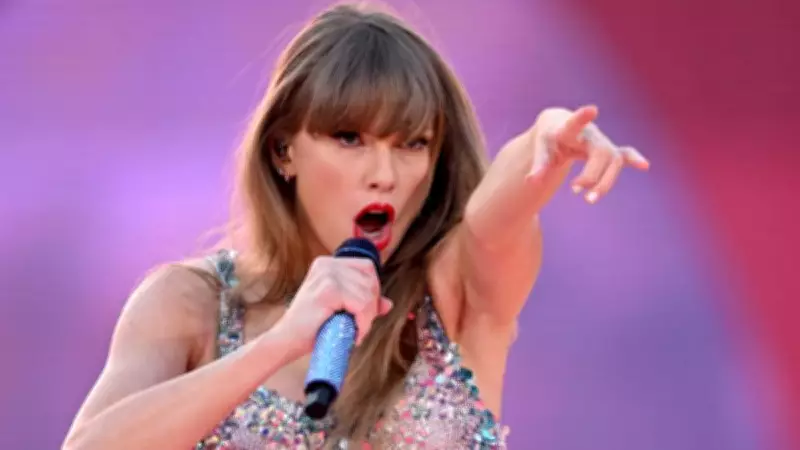
The image she is seeking to trademark shows her performing on stage in a sequined outfit, pink guitar in hand. The Grammy winner has been the target of numerous deepfakes in recent years. Fake clips of her promoting a brand of cookware have tricked fans online and sexually suggestive deepfakes of her have gone viral on social media. Even US President Donald Trump shared manipulated photos of Swift supporting his candidacy.

Sound marks, or trademarks of distinctive audio cues, have historically been filed to protect iconic brand sounds such as MGM’s lion roar, NBC’s chimes or the Pillsbury Doughboy’s giggle. In January, actor Matthew McConaughey became the first celebrity to file a series of trademarks — including images, video and audio of himself — to protect his own likeness.
US trademark attorney Josh Gerben, who first reported Swift’s new trademark applications, wrote in a blog post that while the concept of protecting sound as a trademark is not new, it remains relatively rare. “That said, attempting to register a celebrity’s spoken voice is a new use of trademark registration that has not been tested in court before,” Gerben wrote. “Historically, singers relied on copyright law to protect their recorded music. But AI technologies now allow users to generate entirely new content that mimics an artist’s voice without copying an existing recording, creating a gap that trademarks may help fill. By registering specific phrases tied to her voice, Swift could potentially challenge not only identical reproductions, but also imitations that are ‘confusingly similar’, a key standard in trademark law.”
Taylor Swift has filed hundreds of trademarks throughout her career but most have aimed to protect her name, lyrics, merchandise and other components of her brand identity. This appears to be the first instance the singer has pursued sound mark protection. The attorney listed on the applications and a spokesperson for Swift did not immediately respond to a request for comment, NBC reported.