
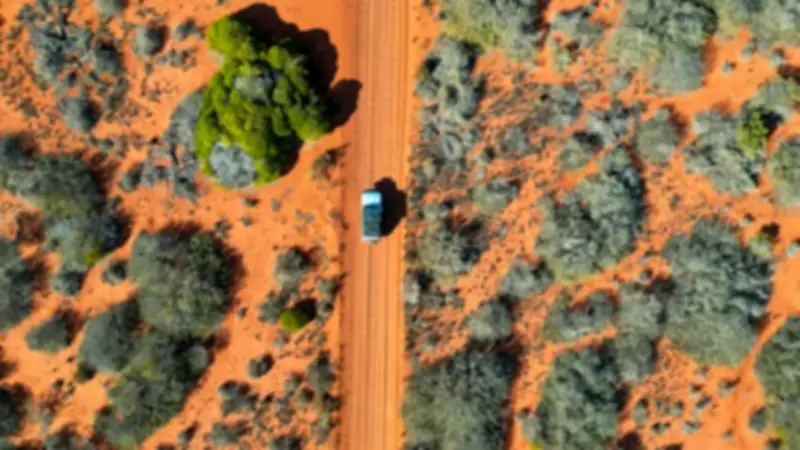
A new study highlights the severe impact of extreme heat on remote First Nations communities in Australia, where residents face prolonged heatwaves with inadequate housing and infrastructure. In January 2026 alone, Alice Springs (Mparntwe) recorded 20 days above 40°C, a trend worsening due to climate change.
Study Reveals Daily Struggles
Researchers conducted one-on-one yarning sessions with 30 First Nations people across four remote Central Australian communities. Participants reported that extreme heat affects nearly every aspect of daily life during warmer months. Common symptoms included headaches, dehydration, exhaustion, poor sleep, and agitation. Many found it difficult to go outdoors, visit family, or access essential services if walking was the only option. One participant said, “In the summer, can’t go out anywhere or go, visit families, it’s too hot.”
The study noted particular concern for vulnerable groups such as older people, children, pregnant women, and those already unwell. Participants stressed the need for improved infrastructure, including reliable power, effective cooling systems, and homes designed for local climate conditions. Without these, storing food and medicines safely becomes a challenge.

Existing Coping Strategies
Despite these hardships, remote First Nations communities have developed three main coping strategies. First, they reschedule daily activities to cooler times, such as swimming in waterholes during the hottest part of the day or sleeping outside at night. Second, they share resources, like freeing up fridge space for others or gathering in community buildings with air conditioning. Third, they stay informed via local radio, council and health service updates, and traditional knowledge from Elders. One Elder explained how the constellation known as the “Seven Sisters” indicates weather patterns: “If it’s northeast in the sky, that means it’s going to be a long hot summer. But if it’s northwest it’s going to be not so hot, it’s going to be cooler.”
Need for Greater Support
However, the study warns that communities cannot adapt alone. Many strategies depend on reliable housing, electricity, shade, water, and transport—resources that are often lacking due to historical inequalities from colonialism and discriminatory policies. Climate change exacerbates these issues. Participants called for more investment in locally-designed housing, shaded community spaces, and timely repair services. One community member said, “While it’s cold weather, they should be servicing every air conditioner, in every community, before the summer come up and everybody’s ready to go.” Improved public transport is also needed for health appointments.
Education and Community-Led Solutions
Participants highlighted the importance of educating communities about heat health risks in local languages, helping people recognize symptoms like dizziness, headaches, dehydration, and heat exhaustion, and learn cooling strategies. Crucially, they emphasized involving the community in designing and delivering adaptation strategies to ensure solutions meet local needs and draw on cultural practices.
As temperatures rise across Australia, the study concludes that listening to and learning from remote First Nations communities could lead to more effective ways of beating the heat for everyone.