A groundbreaking study has laid bare the devastating impact of introduced species on Australia's unique native ecology, revealing a history of catastrophic declines and extinctions. The research, published in the journal Biological Conservation, provides a comprehensive analysis of how non-native animals have reshaped the continent's ecosystems since European settlement.
The Scale of the Crisis
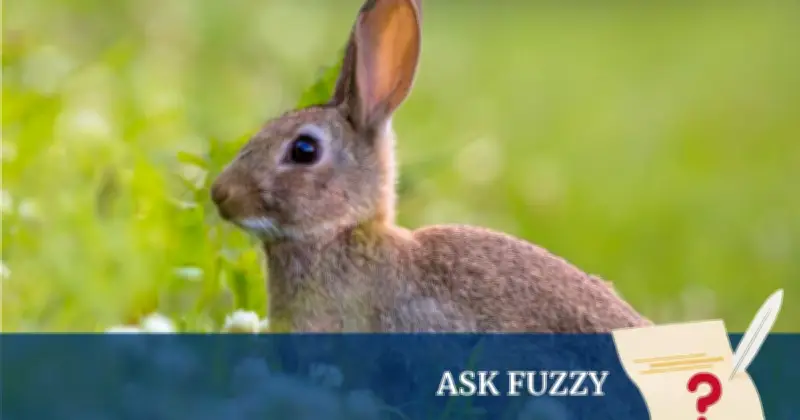
Australia has the worst mammal extinction record in the world, with 34 species lost since 1788. The study identifies introduced predators and herbivores as the primary drivers. Cats, foxes, and rabbits top the list of culprits, but other species such as pigs, goats, and cane toads have also contributed significantly.
Key Findings
- Predation by cats and foxes: Cats kill an estimated 1.5 billion native animals annually, while foxes kill 300 million. These predators have driven many small and medium-sized mammals to extinction.
- Competition and habitat destruction: Rabbits compete with native herbivores for food and degrade vegetation. Feral pigs and goats destroy soil and plant communities.
- Ecosystem-wide impacts: The loss of native species has cascading effects, disrupting pollination, seed dispersal, and nutrient cycling.
Case Studies of Devastation
The Christmas Island Rat
Once abundant, this species was declared extinct in 2009 after the introduction of black rats and yellow crazy ants. The ants sprayed acid on the rats, blinding them and causing a slow death.

The Bramble Cay Melomys
This small rodent, endemic to a single island in the Great Barrier Reef, was declared extinct in 2016 due to habitat loss from sea-level rise and predation by introduced rats.
Northern Quolls
Populations have crashed due to poisoning from eating invasive cane toads. The toads were introduced in 1935 to control sugarcane pests but became a deadly threat.
What Can Be Done?
The study's authors call for urgent action, including:
- Increased funding for control programs: Current efforts are insufficient to stem the tide of extinctions.
- Island eradications: Removing introduced species from islands has proven highly effective in restoring native ecosystems.
- Improved biosecurity: Preventing new introductions is critical, as climate change may facilitate the spread of invasive species.
Lead author Dr. Sarah Legge of the Australian National University said: "We need to act now to prevent further losses. The cost of inaction is too high."
Conclusion
The study serves as a stark reminder of the fragility of Australia's unique biodiversity. While the challenges are immense, targeted interventions can make a difference. The fate of many native species hangs in the balance.