Charlie Albone's Expert Advice: Winter Lawn Preparation Essentials
As autumn arrives, many homeowners glance at their lawns and notice the toll of summer—intense heat, playful children, and occasional neglect. The grass has served well during the warmer months but now appears weary and in need of rejuvenation.
Autumn presents an ideal opportunity to reset your lawn and prepare it for the colder winter ahead. Implementing a few straightforward tasks now can yield significant benefits, not only throughout the cooler season but also as you transition into spring. Consider this period as a recovery phase for your lawn before its growth naturally slows down.
Step 1: Assess Your Lawn's Condition
Begin by conducting a thorough inspection. Walk slowly across the lawn, examining it closely. Look for thin patches, spongy areas underfoot, or sections that have discoloured or struggled more than others. These spots indicate where attention is needed most, as lawns typically decline unevenly and reveal problem areas clearly.

Step 2: Clean and Mow for Recovery
After assessment, start with a tidy-up. Give the lawn a final mow, cutting it slightly lower than during summer but avoiding a full scalp. This removes tired top growth, allowing light and air to reach the grass base and establishing a clean foundation for recovery.
Following mowing, rake the lawn lightly. Over summer, thatch—a layer of dead grass and organic matter—can accumulate at the base. Raking helps remove this buildup, improving penetration of water, air, and nutrients. For lawns that feel particularly thick or spongy, a more thorough de-thatching might be necessary, though a firm rake usually suffices.
Step 3: Aerate to Combat Soil Compaction
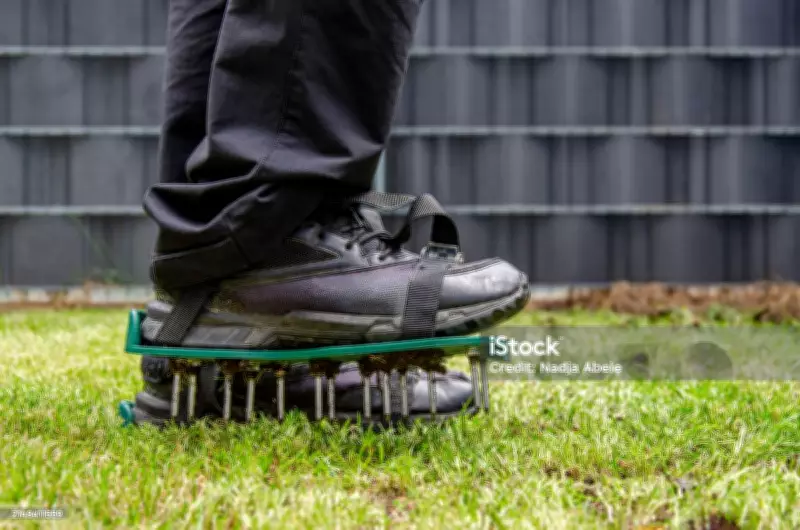
One of the most critical autumn tasks is aeration. Soil often becomes compacted over summer, especially in high-traffic zones, limiting root growth and reducing the lawn's ability to absorb water and nutrients. Aerating with tools like a garden fork, manual aerator, or machine opens up the soil, promoting better breathability and health.
Step 4: Feed with Balanced Fertiliser
With the lawn aerated, it's time to feed it. Autumn fertilising focuses on recovery and strengthening rather than rapid growth. Opt for a fertiliser with a balanced nutrient mix, preferably higher in potassium to enhance winter resilience. Adding a touch of iron can help maintain colour as growth slows.
Apply the fertiliser evenly and water it in thoroughly. The soil remains warm enough for effective nutrient uptake, leading to a steady, healthy response instead of the soft growth surge typical of nitrogen-rich blends.
Step 5: Top-Dress and Repair Patchy Areas
For uneven spots or small depressions, top-dressing is beneficial. Spread a light layer of sandy loam over the surface to level the lawn, improve soil structure, and encourage new growth. This simple task yields noticeable improvements over time.
In patchy areas, options vary by climate. In warm regions, lawns may not grow actively in winter, so full repairs might wait until spring. However, you can still promote recovery by loosening the soil, adding fresh mix, and maintaining light watering. For cool-season lawns, autumn is perfect for overseeding to thicken the grass.
Step 6: Adjust Watering Practices
Watering needs to adapt in autumn. Reduce frequency but ensure deep watering when you do irrigate. This encourages roots to grow deeper into the soil, where moisture is more stable. As temperatures drop and rainfall increases, adjust irrigation accordingly to avoid overwatering.
Step 7: Maintain Cleanliness and Avoid Overworking
An often-overlooked autumn task is keeping the lawn clean. As trees shed leaves, remove them regularly to prevent light blockage and moisture trapping, which can foster fungal issues. Use a rake or mower set on high to collect leaves efficiently.
Finally, resist the temptation to overwork your lawn. Autumn care is about setting a solid foundation, not achieving perfection. A well-fed, aerated, and lightly maintained lawn will endure winter far better than one subjected to excessive cutting, watering, or fertilising.

Q&A: Addressing Plant Concerns
Q. The leaves on my ponytail palm are browning at the edges. Should I cut the top off or keep it as is? — Jan Beard
A. From the photo provided, the trunk shows fresh, new growth while the top crown appears weathered. Removing the top is advisable to give the lower shoots more vigour. When cutting, trim back to just above the top shoot for the best aesthetic result.
Stay updated with the latest gardening tips and news by signing up for emails from thewest.com.au.