

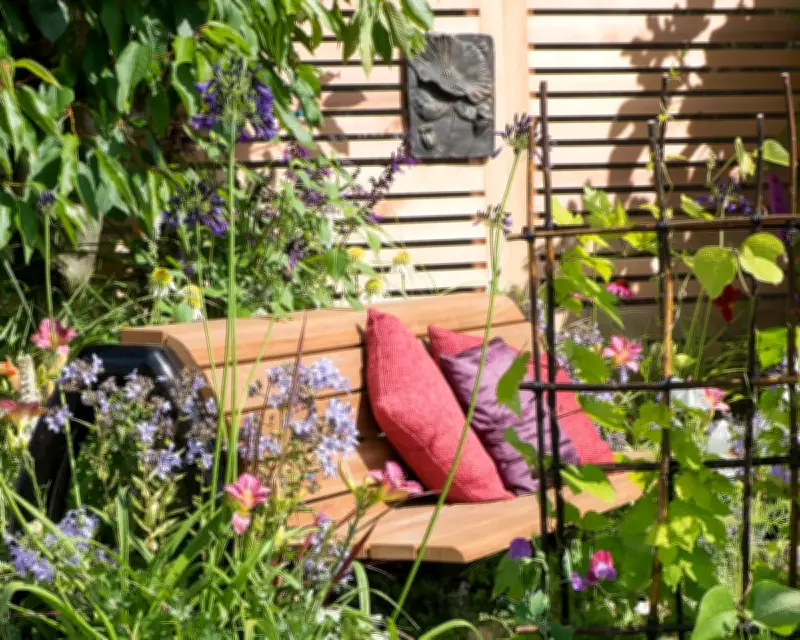
As the summer solstice passes, gardeners are urged to seize the midsummer moment to plan for a spectacular late-season bloom. According to gardening experts, July is a critical month for tasks that ensure continuous color and health through autumn.
Deadheading and Pruning for Continuous Blooms
One of the most important midsummer jobs is deadheading spent flowers. Regularly removing faded blooms from plants like roses, lavender, and geraniums encourages them to produce more flowers rather than setting seed. The Royal Horticultural Society recommends deadheading at least once a week to keep plants productive.
Pruning early-flowering shrubs, such as weigela and philadelphus, after they bloom helps maintain shape and promotes next year's growth. Cut back flowered stems to a strong bud or lower down the plant.

Watering Wisely During Heatwaves
With rising temperatures, efficient watering becomes crucial. Experts advise watering deeply and less frequently to encourage deep root growth. Morning watering is best to reduce evaporation and prevent fungal diseases. Using mulch around plants helps retain moisture and keeps roots cool.
Container plants may need daily watering in hot weather. Self-watering pots or adding water-retaining crystals can reduce the frequency. Collecting rainwater in butts is an eco-friendly way to keep plants hydrated.
Sowing Seeds for Autumn and Winter Harvests
Midsummer is the ideal time to sow vegetables for autumn and winter crops. Sow carrots, beetroot, turnips, and spring cabbage directly into the ground. For a late salad harvest, sow lettuce, rocket, and radishes every two weeks. Hardy herbs like parsley and coriander can also be sown now.
Flowers such as calendula, cornflower, and nigella can be sown for autumn color. Many gardeners also plant biennials like foxgloves and wallflowers now for blooms next spring.
Feeding and Mulching for Vigorous Growth
Plants in full growth benefit from regular feeding. Use a balanced liquid fertilizer every two weeks for containers and hungry plants like tomatoes and dahlias. Apply a slow-release fertilizer to borders to sustain growth through summer.
Mulching with organic matter, such as garden compost or well-rotted manure, suppresses weeds, retains moisture, and adds nutrients. Apply a 5-7 cm layer around plants, avoiding direct contact with stems.
Pest and Disease Control
Warm weather can bring pests like aphids, slugs, and vine weevils. Regularly inspect plants and remove pests by hand or use biological controls. Encourage natural predators like ladybirds and lacewings by planting nectar-rich flowers.
Powdery mildew is common in dry conditions. Ensure good air circulation, avoid overhead watering, and remove affected leaves. Use organic fungicides if necessary.
Planning for Next Year
Midsummer is also a time to assess your garden and plan changes. Take notes on what worked and what didn't, and order bulbs for autumn planting. Consider adding more drought-tolerant plants to cope with climate change.
Gardening expert Monty Don advises, "Midsummer is the pivot of the gardening year. Use it to take stock and set your garden up for success in the months ahead."