An ACT Legislative Assembly inquiry has begun examining the feasibility of establishing a dedicated endometriosis centre in Canberra. The inquiry, which held its first hearing this week, aims to address the significant gaps in diagnosis and treatment for the chronic condition that affects one in nine Australian women.
Current Challenges in Endometriosis Care
Endometriosis is a condition where tissue similar to the lining of the uterus grows outside the uterus, causing severe pain, fatigue, and fertility issues. Despite its prevalence, diagnosis often takes years, and many patients face limited access to specialist care. In Canberra, women have reported long wait times for appointments with gynaecologists and a lack of coordinated multidisciplinary care.
Proposed Centre Model
The proposed Canberra Endometriosis Centre would provide a one-stop shop for diagnosis, treatment, and support. It would bring together specialists in gynaecology, pain management, physiotherapy, dietetics, and psychology. The centre would also focus on research and education to improve outcomes for patients.

During the inquiry, witnesses highlighted the need for a dedicated facility that could reduce the average seven-year delay in diagnosis. Currently, many women travel interstate for treatment, incurring significant costs and stress.
Community and Expert Support
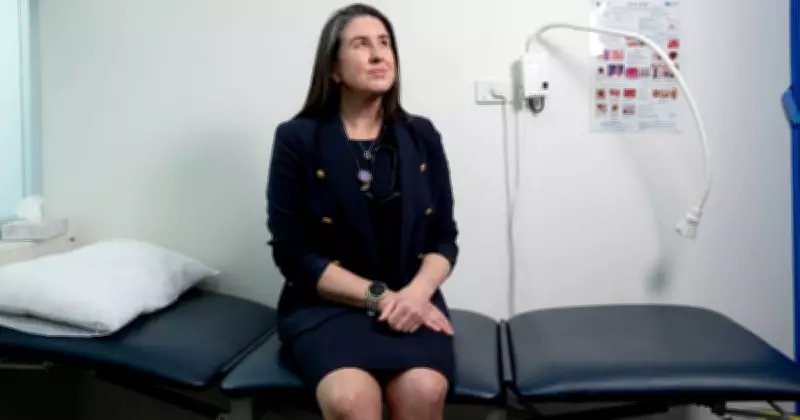
The inquiry has received strong support from patient advocacy groups and medical professionals. Dr. Sarah White, a Canberra-based gynaecologist, told the committee that a specialist centre would transform care. “We have the expertise in Canberra, but it is fragmented. A dedicated centre would allow us to provide holistic, timely care,” she said.
Patients also shared their experiences. Emma, a 32-year-old Canberra woman, described her decade-long struggle to get a diagnosis. “I was told my pain was normal. It took ten years and multiple visits to different doctors before I was diagnosed. A centre like this would have changed my life,” she said.
Next Steps and Funding
The inquiry will continue to hear evidence over the coming weeks before making recommendations to the ACT government. The cost of establishing and running the centre is yet to be determined, but advocates argue it could save the health system money in the long run by reducing emergency department visits and hospital admissions.
The ACT Health Minister has expressed openness to the proposal but stressed the need for a thorough business case. The inquiry's final report is expected later this year.