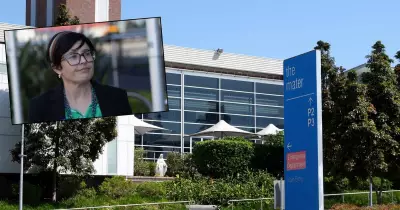
Andrew Miller Highlights the Dual Pillars of Excellence in Australian Medicine
In a compelling commentary on the state of healthcare in Australia, medical expert Andrew Miller has articulated a vision for what defines the nation's best doctors. He emphasises that true excellence in the medical profession is not solely derived from technical proficiency or specialised knowledge, but from a harmonious blend of these skills with the human qualities of listening and reflection.
The Critical Role of Specialised Skills in Modern Healthcare
Miller points out that Australia's healthcare system increasingly relies on doctors with highly specialised skills to address complex medical conditions. This expertise, often gained through years of rigorous training and experience, is fundamental to accurate diagnosis and effective treatment. He notes that advancements in medical technology and research have made specialisation more crucial than ever, allowing doctors to provide targeted care that improves patient outcomes in fields ranging from surgery to chronic disease management.
Why Listening and Reflection Are Essential for Patient Trust
Beyond technical abilities, Miller argues that the best doctors distinguish themselves by their capacity to listen actively to patients and engage in self-reflection. He explains that listening goes beyond hearing symptoms; it involves understanding patients' concerns, fears, and personal contexts, which can significantly influence health decisions. Reflection, on the other hand, allows doctors to learn from their experiences, adapt their approaches, and maintain ethical standards. This combination fosters stronger doctor-patient relationships, builds trust, and can lead to more personalised and effective care plans.

The Impact on Australia's Healthcare Landscape
Miller's insights suggest that prioritising both specialised skills and empathetic practices could enhance the overall quality of healthcare in Australia. He implies that medical education and professional development should balance technical training with communication and ethical reflection. By doing so, the healthcare sector can better meet patient needs, reduce misdiagnoses, and improve satisfaction rates. This approach aligns with broader trends in global medicine that value holistic care, potentially positioning Australia as a leader in patient-centred healthcare.
Key Takeaways from Miller's Perspective- Specialised skills provide the foundation for advanced medical treatment and innovation in Australia.
- Active listening helps doctors understand patient perspectives, leading to more tailored and compassionate care.
- Self-reflection enables continuous improvement and ethical decision-making among medical professionals.
- Combining these elements can strengthen Australia's healthcare system and patient outcomes.
In summary, Andrew Miller's commentary underscores that Australia's best doctors are those who master their specialised fields while also cultivating the interpersonal skills necessary for meaningful patient engagement. This dual focus not only elevates individual practice but also contributes to a more resilient and responsive healthcare environment nationwide.