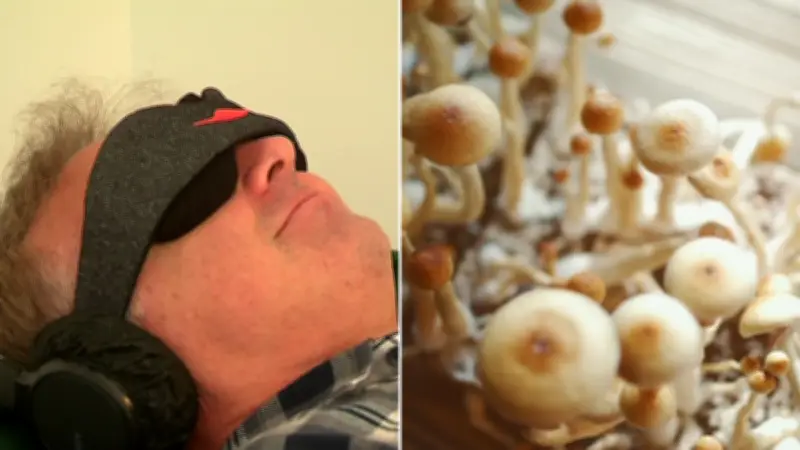
Australia's psychedelic therapy rules have been expanded, with advocates hoping to improve access for patients with severe depression and post-traumatic stress disorder (PTSD). However, while supporters say it is a breakthrough, some clinicians warn that vulnerable patients could be put at risk.
Patient Story: A Life Transformed
Duncan Livingston takes a deep breath, shutting his eyes and ears to the world that has caused him so much pain. For 40 years, Livingston battled depression and PTSD linked to severe childhood trauma. When nothing worked, he turned to psychedelic-assisted therapy. “What this treatment has done for me has nearly let me be reborn again in some ways. It’s brought some joy back into my life. It’s beautiful,” he said.
Australia Leads the Way
Australia became the first country to allow MDMA for PTSD and psilocybin (mushrooms) for treatment-resistant depression. Strict rules initially required a psychiatrist and clinical psychologist to be present for the duration of the patient’s trip, which can last hours. Now, Australia’s drugs regulator has relaxed those requirements. Clinical psychologists are no longer needed; the second person can be any support worker. The new rules also allow the psychiatrist or doctor to leave the clinic after the drug is administered.

Concerns Over Safety
Psychologist Shai Hipperson is concerned the changes could put lives at risk. “There is currently no standard benchmark of training, and patients don’t know if their therapists that are in the room with them have done a two-day training course or a two-year training course,” she said.
Balancing Access and Safety
Others welcome the relaxation, saying it will make the therapy, which can cost tens of thousands of dollars, more affordable and available. “It’s a promising sign that things are moving slowly and carefully and mindfully in the right direction to increase access. But I also think we can’t forgo safety in the sake of making something cheaper,” clinical psychologist Monica Schweickle said.
Regulatory Stance
The Therapeutic Goods Administration says the new guidance is now in place but has not evaluated the drug’s quality, efficacy, or safety. It remains unapproved and not suitable for most Australians.