Australian Baby Food Products Fall Short of Global Nutritional Standards
Numerous food items designed for babies and toddlers, available in Australian supermarkets, are not aligning with international nutritional guidelines, prompting experts to advise parents to scrutinize ingredient lists more diligently. A significant portion of these products is packed with additives, including excessive sugar, which has sparked worries about potential long-term health consequences for young children.
Concerns Over Additives and Marketing Tactics
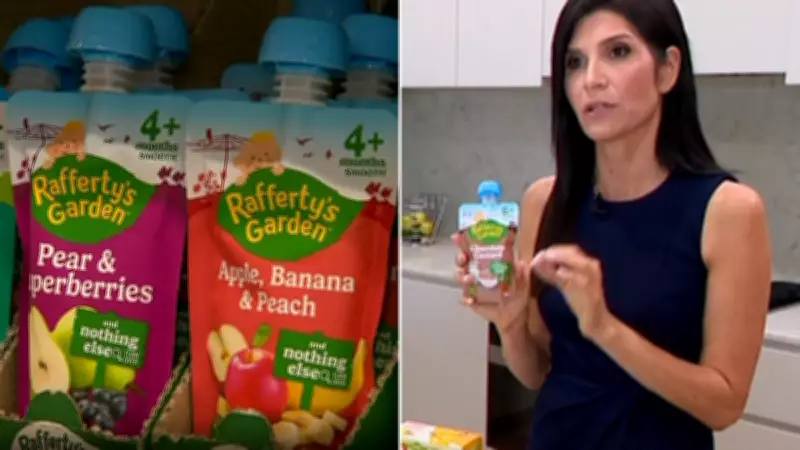
For many households, convenient squeeze-and-serve snacks have become a common choice. However, specialists caution that the contents might not be as wholesome as parents assume. Paediatric nutritionist Mandy Sacher explains that these items are engineered to appeal, with sweet flavors and smooth textures crafted to captivate developing taste preferences.
"Added sugars, thickeners, and artificial flavors are elements that predispose children to favor ultra-processed foods from an early age," Sacher emphasized. In one instance, a chocolate custard from Rafferty's Garden, marketed for infants aged six months and above, lists sugar as its third primary ingredient. "This is essentially dessert in a pouch," Sacher remarked.

Alarming Statistics and Health Implications
Currently, approximately one in four baby food products fails to meet the nutrition standards established by the World Health Organisation (WHO). Furthermore, all products examined do not comply with promotional recommendations, such as avoiding bright packaging, cartoon characters to attract children, and misleading claims aimed at reassuring parents.
Research from The George Institute for Global Health reveals that meals advertised as meat-based may contain as little as 8 percent actual meat, while some vegetable-based options include only trace amounts. "These products often lack the nutritional value consumers expect," noted Dr. Daisy Cole from the institute.
With over a quarter of Australian children currently classified as overweight or obese, projections indicate this figure could rise to half by 2050 if no changes are implemented. Sacher advocates for introducing finger foods to babies from six months onward to enhance oral motor development and encourage family meals together.
Despite repeated attempts to seek comment, Rafferty's Garden did not respond to inquiries regarding these findings.