Surf Coast Dermatologist Drought Sparks Regional Healthcare Crisis
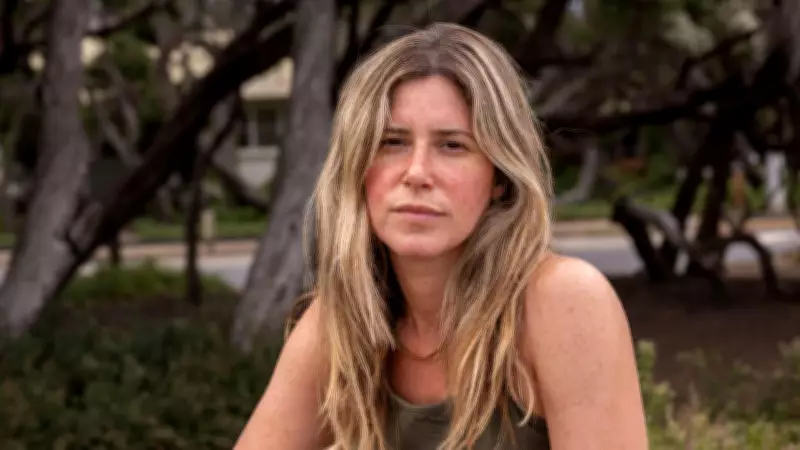
A critical shortage of dermatologists on Victoria's Surf Coast has plunged local resident Lucila Cabbani into a medical crisis, exposing a broader regional healthcare gap that is leaving residents without access to essential skin care services. The situation has intensified concerns about the availability of specialised medical professionals in coastal communities, where demand often outstrips supply.
Lucila Cabbani's Struggle for Medical Care
Lucila Cabbani, a resident of the Surf Coast region, has found herself in a dire predicament due to the severe lack of dermatologists in her local area. She has been forced to endure lengthy waiting periods and travel significant distances to seek treatment for her skin condition, which has exacerbated her health issues and caused considerable personal distress. Cabbani's experience is not isolated; it reflects a growing trend where patients in regional Victoria are facing barriers to accessing timely and specialised medical care.
The dermatologist drought has left Cabbani feeling abandoned by the healthcare system, as she navigates the challenges of finding a specialist who can address her needs. Her story underscores the human impact of workforce shortages in critical medical fields, particularly in areas outside major metropolitan centres like Melbourne.

Broader Implications for Regional Healthcare
The shortage of dermatologists on the Surf Coast is part of a larger issue affecting regional healthcare across Victoria. Many coastal and rural communities struggle to attract and retain medical specialists, leading to gaps in service delivery that can have serious consequences for patient health. This dermatologist drought highlights the urgent need for policy interventions and incentives to encourage more healthcare professionals to work in regional areas.
Experts warn that without immediate action, the situation could worsen, potentially affecting other medical specialties and further straining the already overburdened healthcare system. The case of Lucila Cabbani serves as a stark reminder of the inequalities in healthcare access between urban and regional populations.
Community Response and Potential Solutions
Local residents and healthcare advocates are calling for increased support from state and federal governments to address the dermatologist shortage. Potential solutions being discussed include:
- Offering financial incentives for dermatologists to establish practices in regional areas.
- Expanding telehealth services to provide remote consultations for patients in underserved communities.
- Investing in training programs that encourage medical students to pursue careers in regional healthcare.
- Improving infrastructure and resources at regional hospitals to support specialist services.
The crisis has sparked a broader conversation about the sustainability of healthcare in coastal regions, where population growth and ageing demographics are increasing demand for medical services. As Lucila Cabbani continues her search for adequate care, her plight emphasises the need for a coordinated approach to ensure all Australians, regardless of location, have access to essential healthcare.