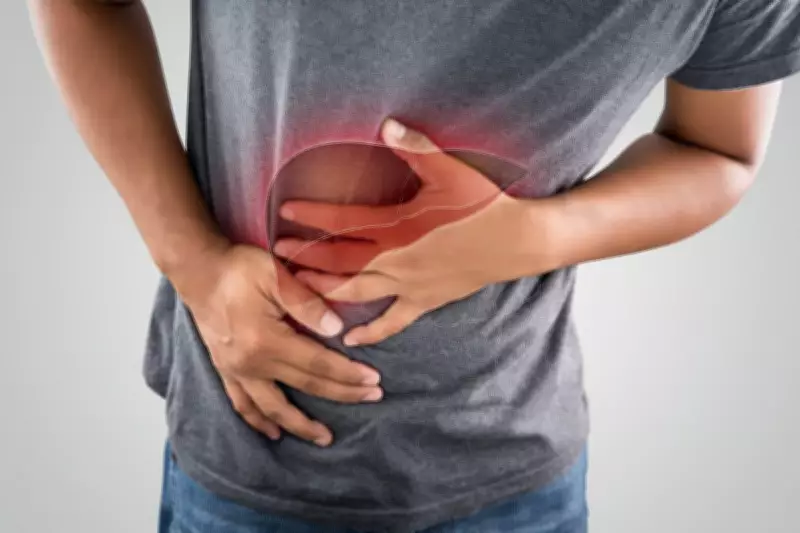
A new study led by Western Australian researchers has issued a warning about a popular fibre supplement that could worsen non-alcoholic fatty liver disease (NAFLD), a condition affecting approximately one in three Australians.
Study Findings on Ellagic Acid and Inulin
Researchers from Edith Cowan University (ECU) and Curtin University discovered that ellagic acid, a natural antioxidant found in fruits like pomegranates, berries, and grapes, as well as walnuts, can help protect the liver and reverse damage caused by NAFLD. However, the study also found that inulin, a prebiotic commonly used in fibre supplements available at pharmacies, health stores, and online, may exacerbate the condition, particularly when taken alone.
ECU Associate Professor Lois Balmer explained that ellagic acid shows promise in treating chronic diseases due to its anti-inflammatory and anticancer properties. “We found that ellagic acid helped to protect the liver from disease,” she said. The study, conducted on mice over seven months, suggests that an imbalance of gut microbes may be responsible for the negative effects of inulin.

Rising Prevalence of NAFLD
NAFLD, caused by obesity, diabetes, and high blood pressure, has become the most common liver disease globally. It occurs when excess fat builds up in the liver of people who consume little to no alcohol. Professor Balmer stressed the importance of early detection, as the disease is often asymptomatic until it progresses to more severe stages like nonalcoholic steatohepatitis (NASH), which can be deadly.
“It’s not a common thing to check liver damage. I would absolutely implore people to have those scanning or preliminary blood tests that check all the organs,” she said. “Because you can do something about it, but you can’t when it’s gone past NASH and into the more severe cases.”
Public Awareness and Risk Factors
Professor Balmer highlighted that about 37% of Australians are estimated to have chronic liver disease, yet many are unaware. Risk factors include being overweight or obese, having abdominal fat, type 2 diabetes, and being over 50 years old. “Anyone that’s overweight or obese could have it. Fat around the stomach is a risk factor, as well as type two diabetes. Being over the age of 50 is a high risk factor, but it’s not a common thing to have the liver enzymes checked,” she said.
The good news is that there is a reasonable window before NAFLD becomes untreatable. “It’s important that people realise it is common and you can do things to change it,” Professor Balmer added.
Future Research and Recommendations
While the study is a promising indicator that nuts and fruits can help reverse NAFLD, further trials are needed to determine exact serving sizes. “This is the first study to prove that we’ve actually found something that can reverse and halt the progression of liver disease,” Professor Balmer said. The research, a collaboration between ECU and Curtin University, is the first of its kind conducted in Australia.
In the meantime, individuals concerned about their liver health are advised to consult healthcare professionals and consider dietary changes that include ellagic acid-rich foods, while being cautious with inulin supplements.